The Sandstone Towers of Ethiopia | March 2026 |
 The plane touches down in Addis Ababa. So, back to Africa after a year. Why are the sandstone towers 1,000 km away from the capital? We have to earn them. Anyone can stick their foot out of the car and hold a rope in their hand… But getting from point A to point B in Africa is a whole different level.
 I found the Tigray climbing area online.
I found some local car rental places on Google. We’re good to go. After we land, we’ll check into the hotel and then head out to find the rental places. The first address on Google was just an empty lot between buildings. The second address had no parking lot with any cars. The third address - no one knows the rental place. The fourth - finally, we’re in luck… The rental place is on the third floor behind a drugstore and a pharmacy. Closed. Damn it, we’ll go tomorrow. In the meantime, I reached out to other rental places at the hotel via WhatsApp. They say we can’t go anywhere without a driver. We’re not giving up. In Uganda, they also said it wasn’t possible, a year ago, but in the end, we found a rental agency that lent us a car without a driver. True, when our car’s engine fell to the ground, they told us to “figure it out somehow,” but that’s a story from last year. The next day, the office is open. The lady explains to us that without a driver, we can only go within 100 km of Addis. We won’t provide a driver for the Tigray region. There’s shooting going on there! The reason is that some regions are patrolled by the army because military conflicts are taking place there.
Although a ceasefire is in effect in Ethiopia’s Tigray region, violence is being committed by both sides of the conflict in Tigray - both government forces and their allied Eritrean soldiers, as well as TPLF rebels. The war in Tigray took place from 2020 to 2022, during which an estimated 800,000 people died.
Okay, what’s next? How do we get there? The plan is simple. I found Salem Bus online - it offers fast transportation all over the country. In a side street in the capital, there’s a tiny office made of corrugated metal sheets with no door; we can barely squeeze inside. Two tickets to Mekele, please. We get a ticket for 3,000 birr = 400 CZK. The ride takes 8–9 hours. The ticket shows both Ethiopian time and European time. The day in Ethiopia starts at 6 a.m. our time - that’s when the sun rises. We’re leaving at 9:30 p.m. local time - 3:30 a.m. European time. It’s listed on the ticket. It’s 2018 in Ethiopia. An hour’s delay. The bus is half-empty, the AC is blasting, socks on my feet, the down jacket keeps me warm. It’s 30°C outside. Why are we heading 100 km east, as the location on mapy.cz shows, when the city of Mekele is to the west?
Maybe a different bus? Not at all. It’s just that the bus is avoiding the faster and shorter route because it goes through Tigray.
The journey ends up being 1,050 km. We’re on the road for 16 hours. There are many military checkpoints along the way; they don’t pay any attention to us.
We arrive in Mekele at 8 p.m.; it’s dark. We’re told not to go out after dark. At the hotel, I contact Kidaj, the owner of Guest House & Camping, via WhatsApp. Our accommodation is right beneath the rock towers. The place is known as Abune Yemata - a 15th-century Orthodox church carved into the rock face. Access is via a vertical rock face, where they throw a rope down to tourists. The next day, Kidaj is waiting for us in front of the hotel. He was heading into town and will arrange a ride by car (which we’ll pay for, of course) rather than have us struggle on a local bus with transfers. Mekele – Hawzen – Megab. Then a tuk-tuk for 6 km. We walk the last 2 km; the road is full of potholes. The tuk-tuk has long since seen better days, and walking is faster. The lodging is modest; we leave the tent in our backpacks, and they offer a room with mattresses on the floor. Watch out for snakes, scorpions, and spiders at night. There are no mosquitoes here; we’re at an altitude of 2,500 m. We go to check out the rock towers.
Left Tower – Guhe Tower – Magic Smelly Poodle 5.11 6c+ VIII- 150 m 2012
Kidaj has only seen the wall climbed once.
In the evening, Kidaj tells us about the war with Eritrea. He and his family spent a whole year hiding in the rocks, going down in the dark every day to fetch water. During the war, the Eritreans murdered entire families so that no one could seek revenge.
The other towers are still waiting to be discovered and climbed. We choose a tower on the right side.
The approach from the camp takes 40 minutes to the base of the wall. The first crack is 20 m. The sandstone breaks quite easily at the bottom of the wall. Here and there are droppings from hyraxes watching us. There are dozens of them. Second pitch: traverse over the edge into a crack on a falcon, where the hyraxes’ urine stinks. That’s part of climbing, too. A prominent ledge follows. Third pitch: step over a chimney, traverse 10 m along the ledge to the next edge. The fourth pitch goes straight across the overhang on solid rock. Then, using small holds, a transition to a ledge leading to the summit. We place the summit logbook on the smooth, rounded summit. Which way down? The only option is to rappel down to a small tree. A full 60-meter rappel, followed by a 50-meter descent back to the start below the wall.
Gear: 2 x 60m ropes, Friends sizes 2–5, slings, U-ring, rappelling slings.
We named the tower – Daman Tower:
Standard route 5c/6a
Diretissima 6c
Chimney route 6b
Valley route 6b
The next day, we head from the camp to the road, where Kidaj has arranged a tuk-tuk for us. The next area is 10 km away. The approach from the road takes an hour, with a 100-meter elevation gain.
Six distinctive towers. I found routes for two of the towers online.
Sheba Tower 152 m E4 5C, Gheralta range (2005) – a single old sling on the second pitch.
Excalibur 108 m E7 6b Gheralta range first ascent 2021 Team North Face (bolted)
Another area is a massive mountain range located to the left of the campsite. The approach takes an hour from the campsite. Kimir, Gheralta Massif Arenas Movedizas 7b+/c 350 m (2012)
Within a 20-km radius, there are other large walls and towers waiting to be climbed. Farewell to Kidaj, return to the city of Mekele. We eat with the locals on the street. Sometimes these are interesting delicacies that lead to diarrhea. But who wouldn’t want to sample the local cuisine and hospitality?
This was followed by a trip around Ethiopia. The closest destination (240 km) was the hot springs at Lake Afrera in the Danakil Depression (120 m below sea level). We drive along a new concrete road built by the Chinese. Unfortunately, the road ends after 30 km. When the war with Eritrea began (we’re 30 km from the border), China stopped funding the construction. We pass bridges under construction over volcanic rock (solidified magma). Driving at 30 km/h. We drive through a landscape of volcanoes and sandy plains, where we see small tornadoes; it never rains here. We stop at Erta Ale, the most active volcano, with its lava lakes. The sulfur rising from the crater stings our noses and eyes; we’ll have a good cry.
The next day, we continue along the vast salt lake, where the salt crust is up to 1 meter thick. The Dallol area is a unique geothermal site in the world. The presence of sulfur and minerals has created exceptional geological formations: acidic hot springs, sulfur mountains, salt pillars and towers up to 50 meters high, waiting to be climbed 😊 and small geysers. We drive across the arid Hadar Plain in the Lower Awash Valley, where the remains of Lucy were discovered—a partially preserved skeleton of a female hominid of the species Australopithecus afarensis found in 1974. Return to Addis. We wanted to visit the Bale Mountains, which feature bouldering areas and trekking opportunities, but it rains for several hours every day. We decide to fly to the town of Lalibela in the mountains at an altitude of 2,500 m. The town is famous for its unique churches, labyrinths of tunnels, corridors, and other buildings carved into the rock, with 11 churches listed as a UNESCO World Heritage Site since 1978. That’s why admission costs $100. We spend the last three days hiking in the surrounding mountains.
Return to Addis and flight home. End of the Ethiopian trip.
In Ethiopia, we’re never alone. Local children are always clinging to us - “Give me money.” Adults act as self-appointed guides in the mountains and in the cities so we don’t get lost… and of course, they want to be paid for their services. But that means you’ll run out of money in the very first village…
Jirka Horský UltraAnt Prague
Lukáš Adámek HO Liberec
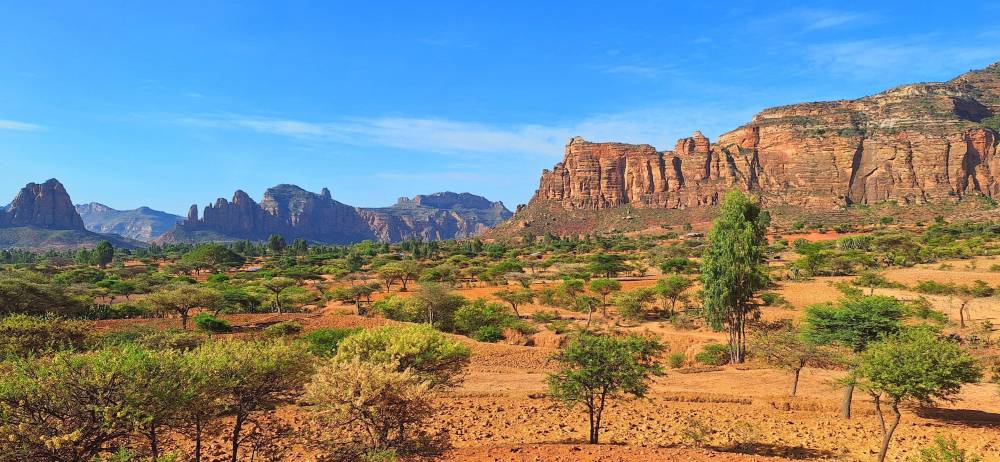
Tigray
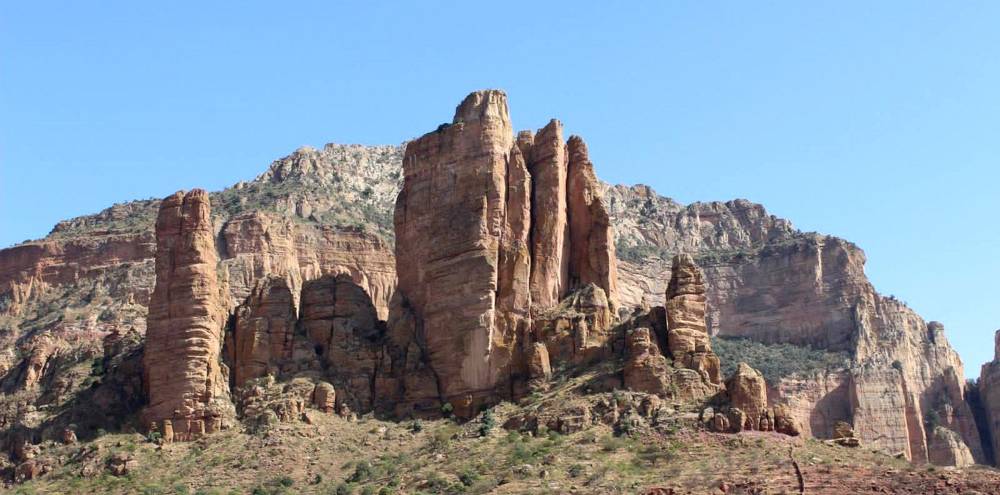
Abune Yemata
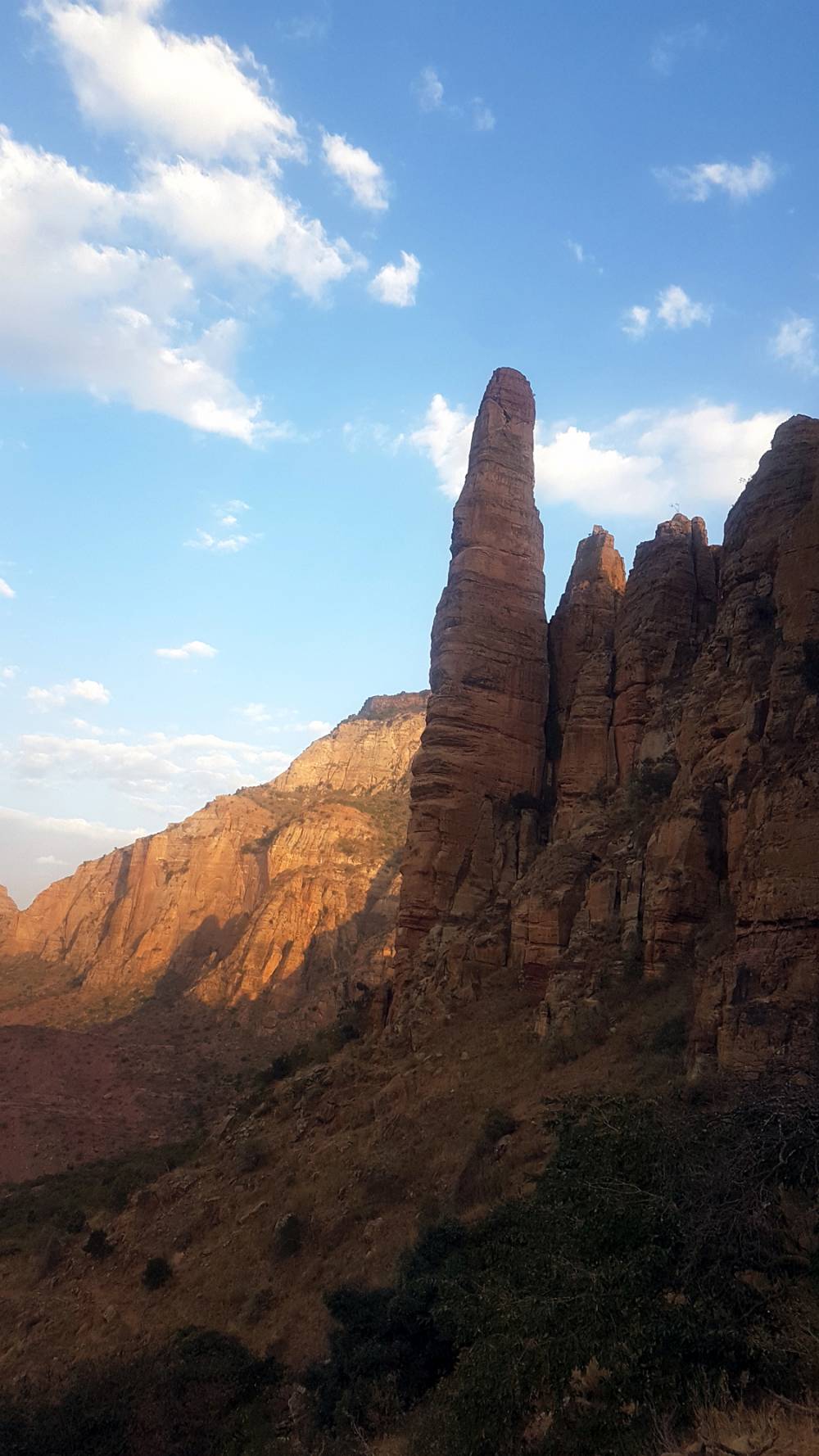
Abune Yemata
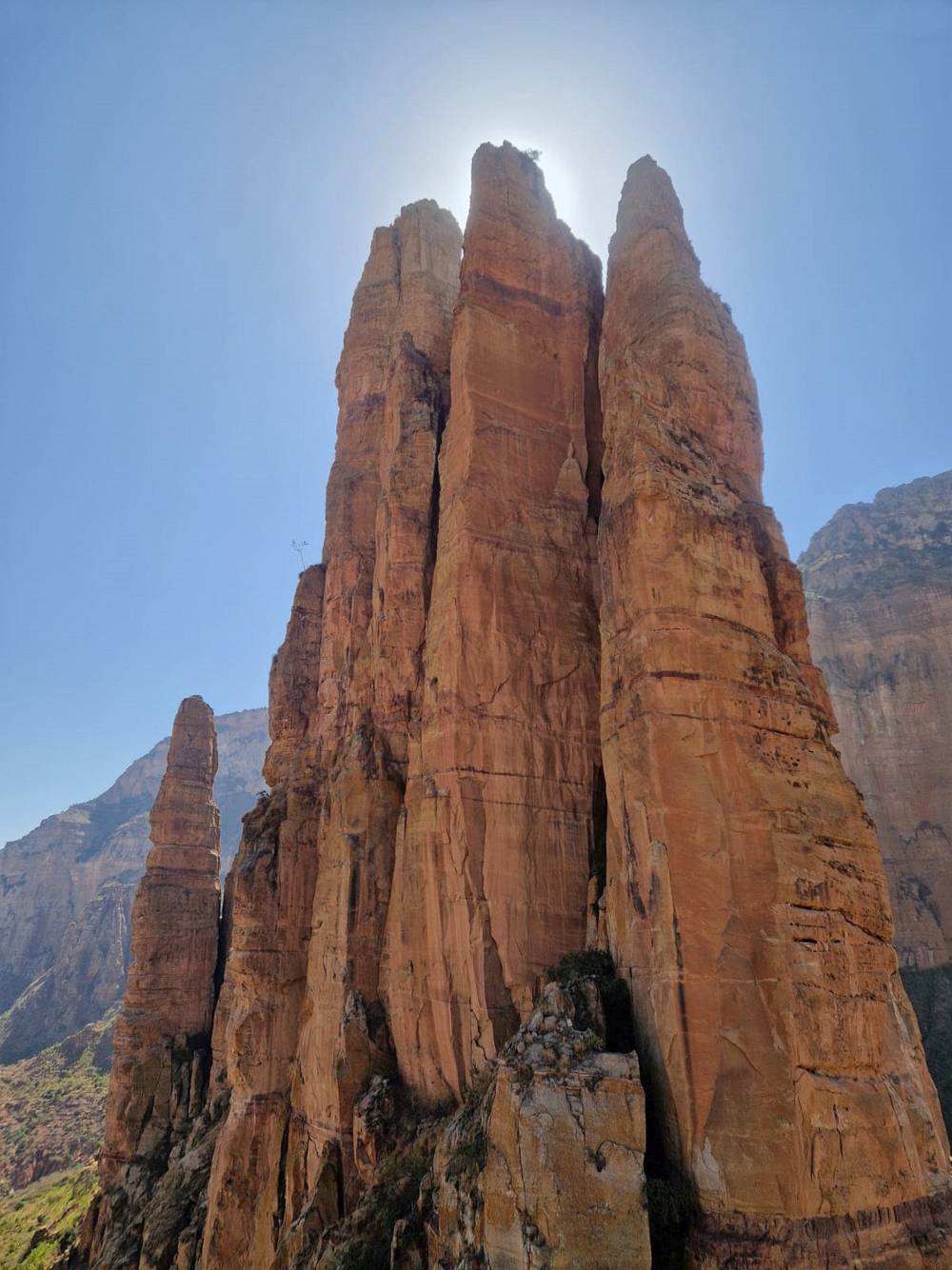
Abune Yemata
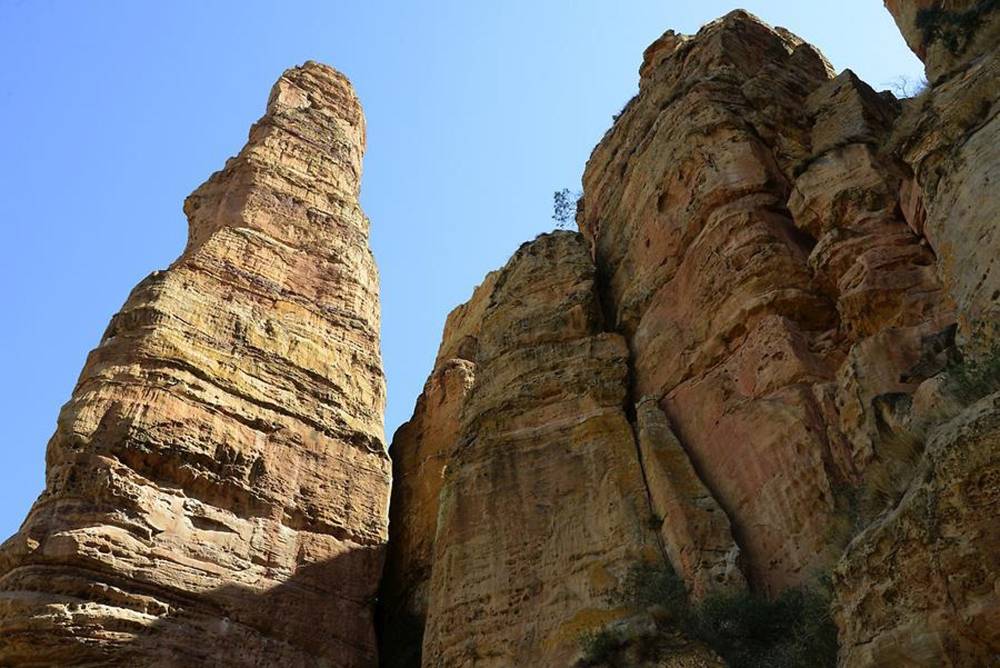
Abune Yemata
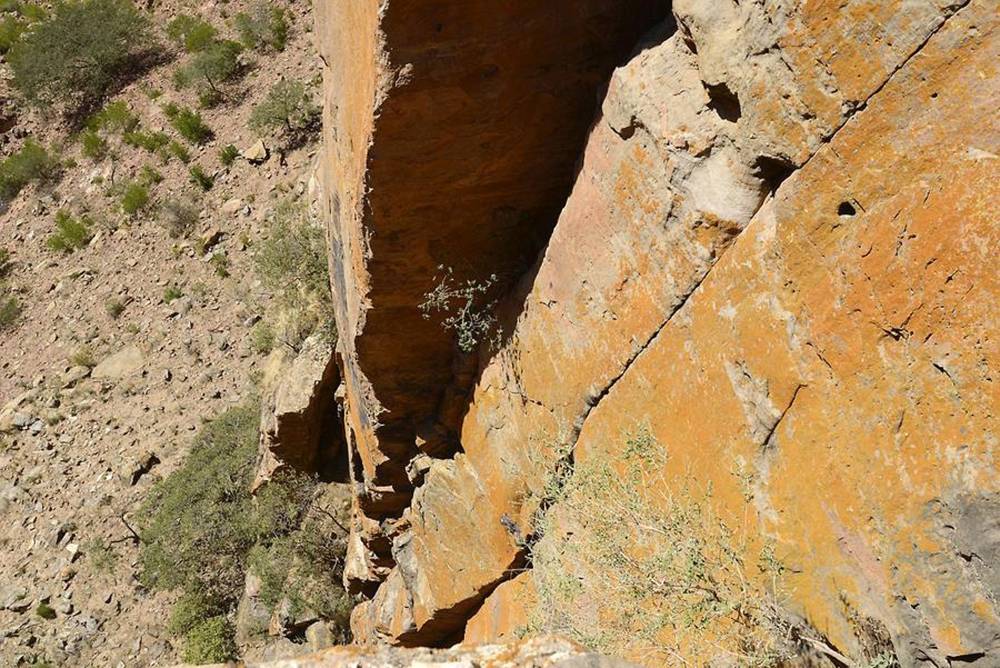
2ns pitch
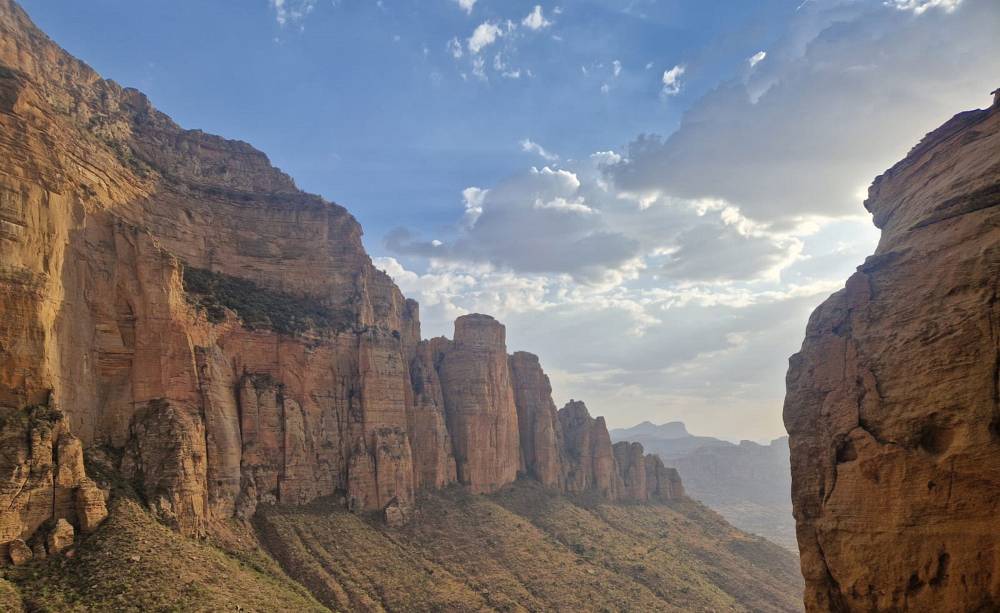
The side walls in the third pitch
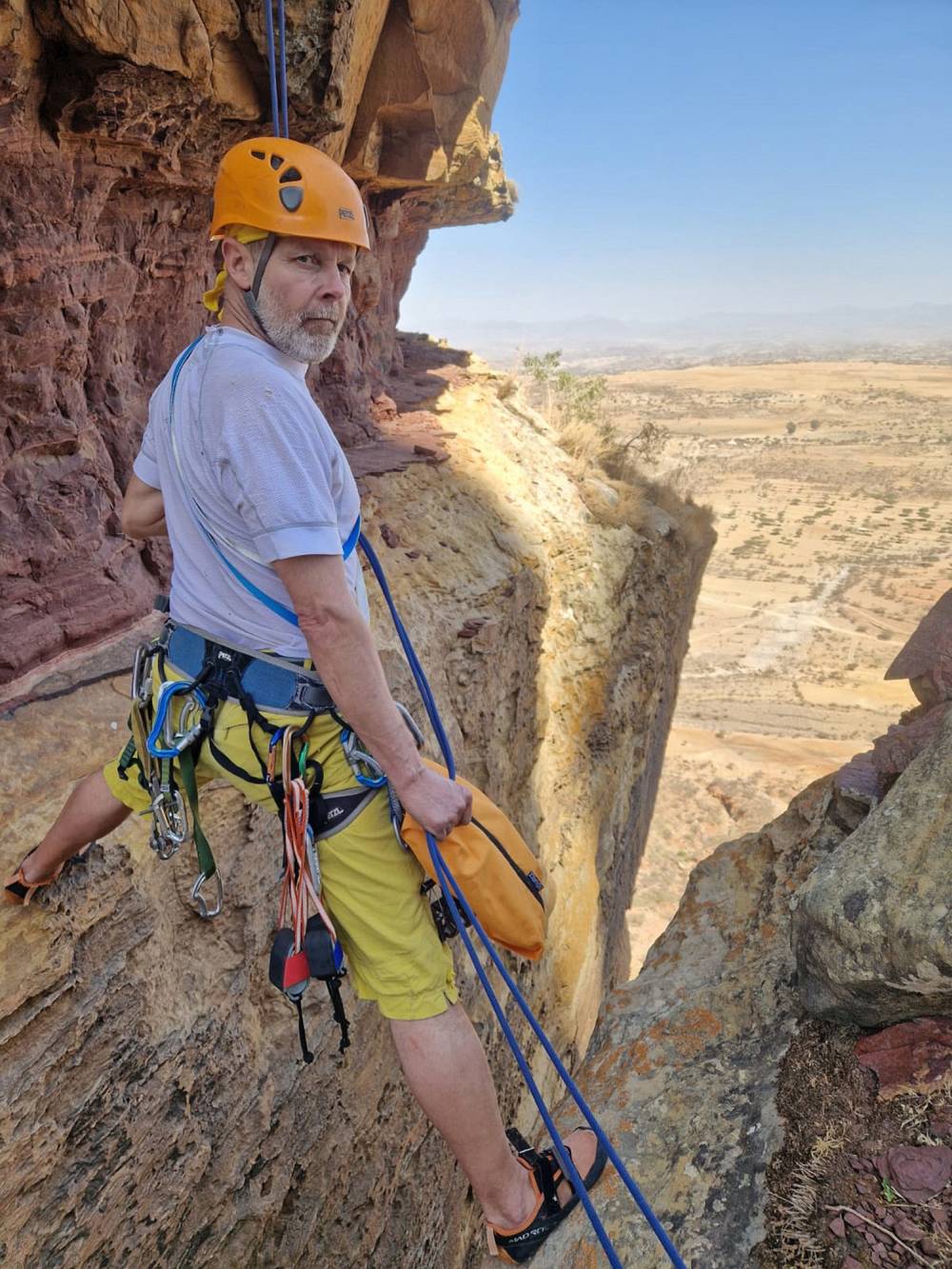
3rd pitch
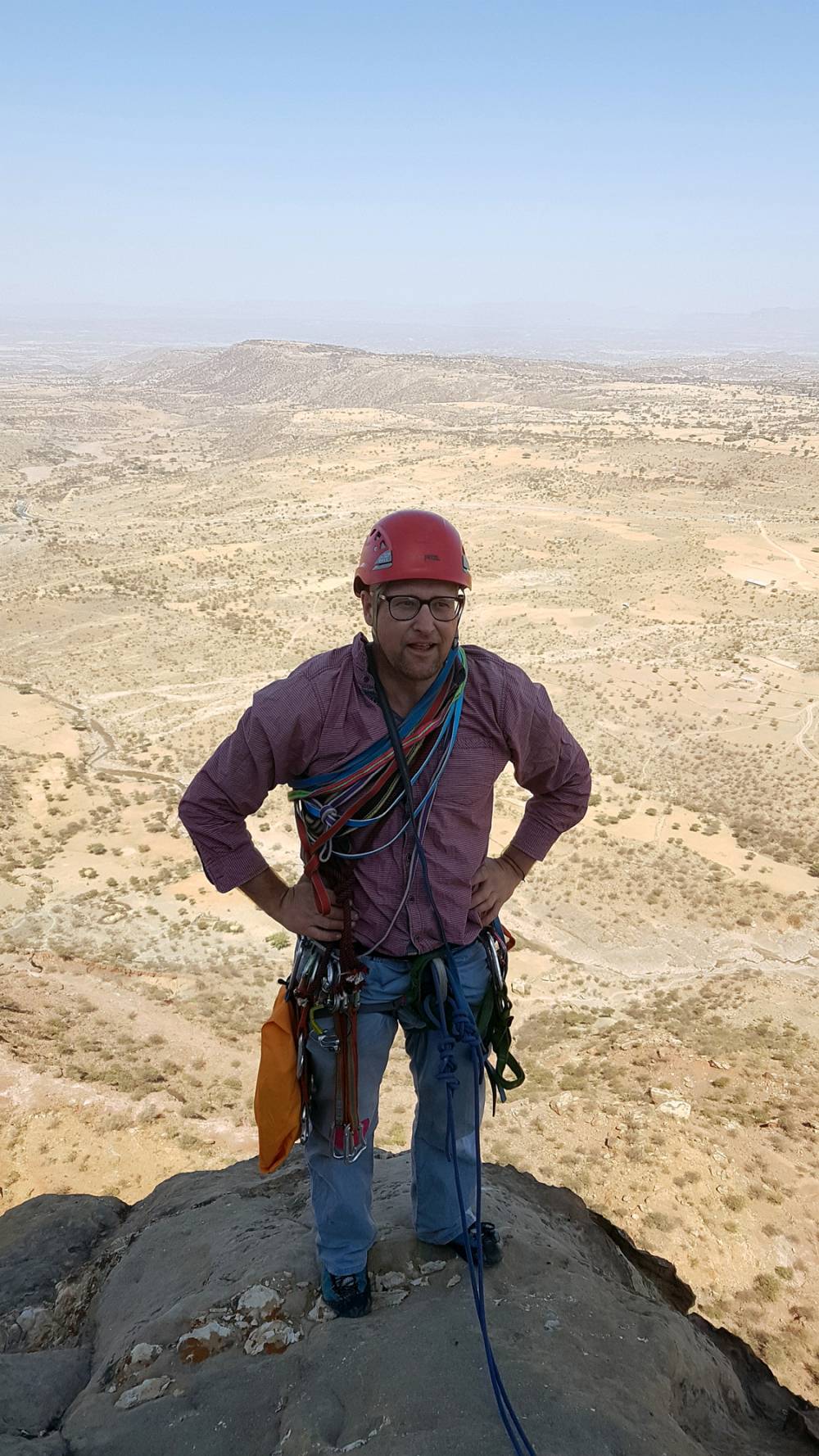
Summit
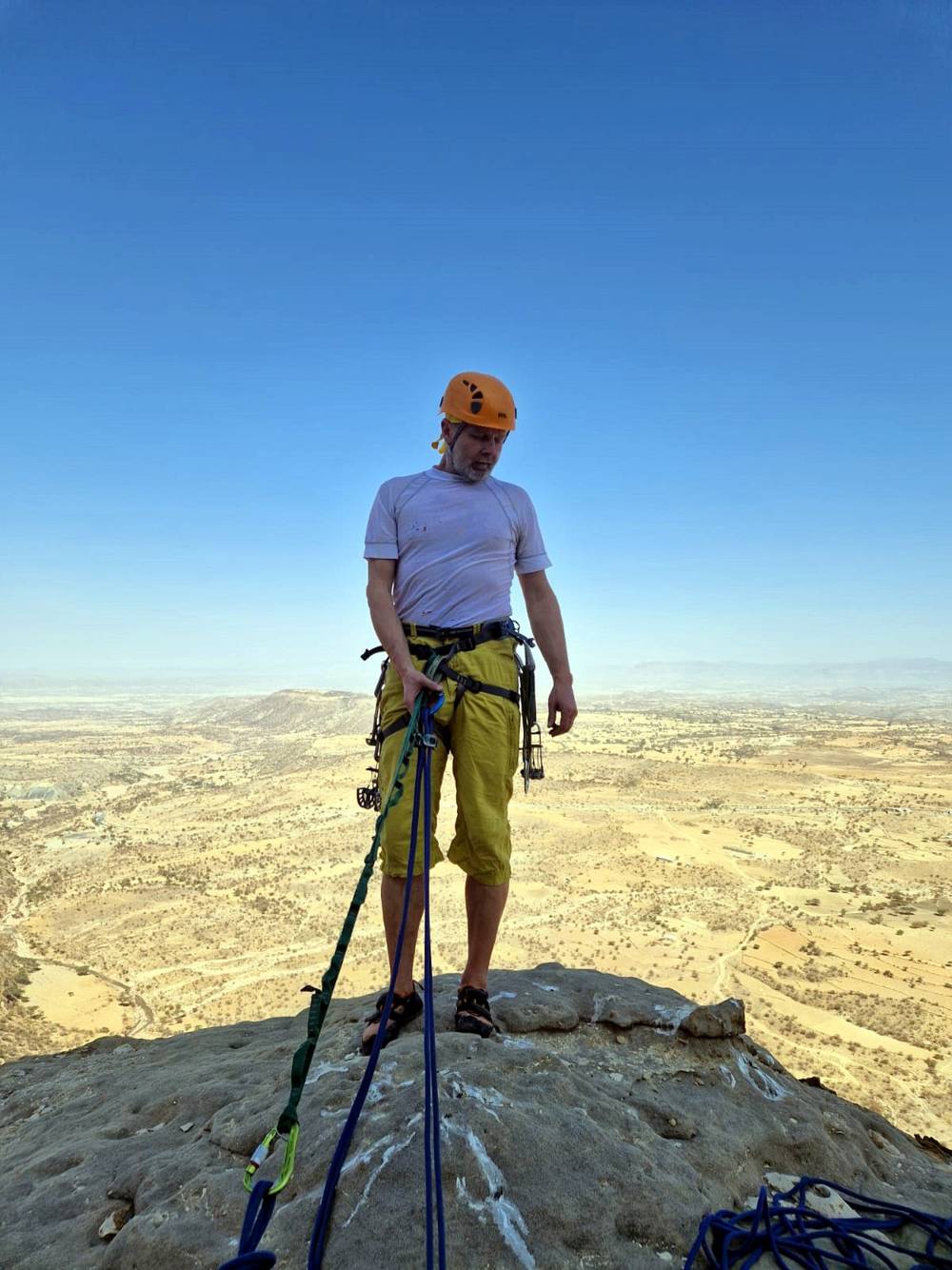
Summit
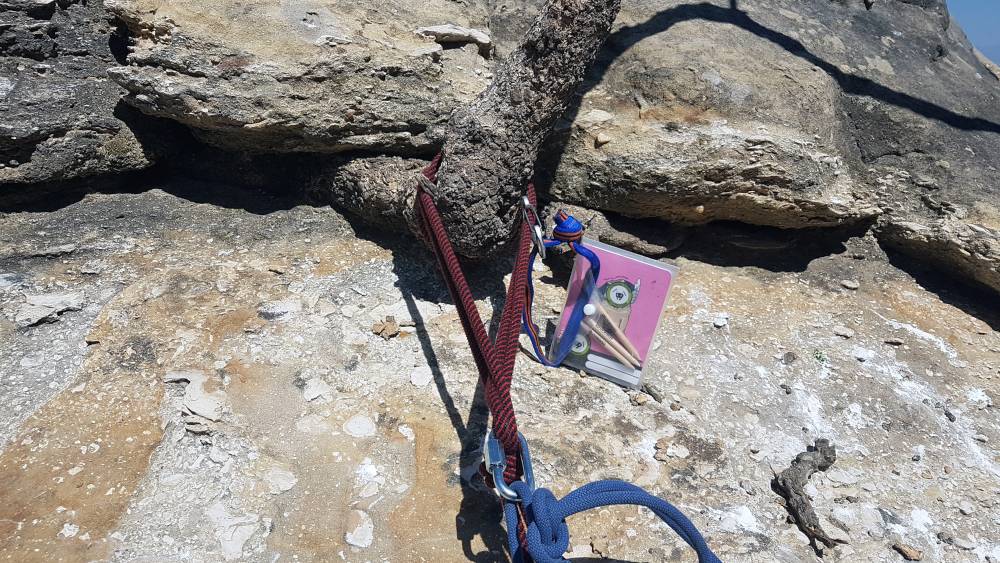
Summit book
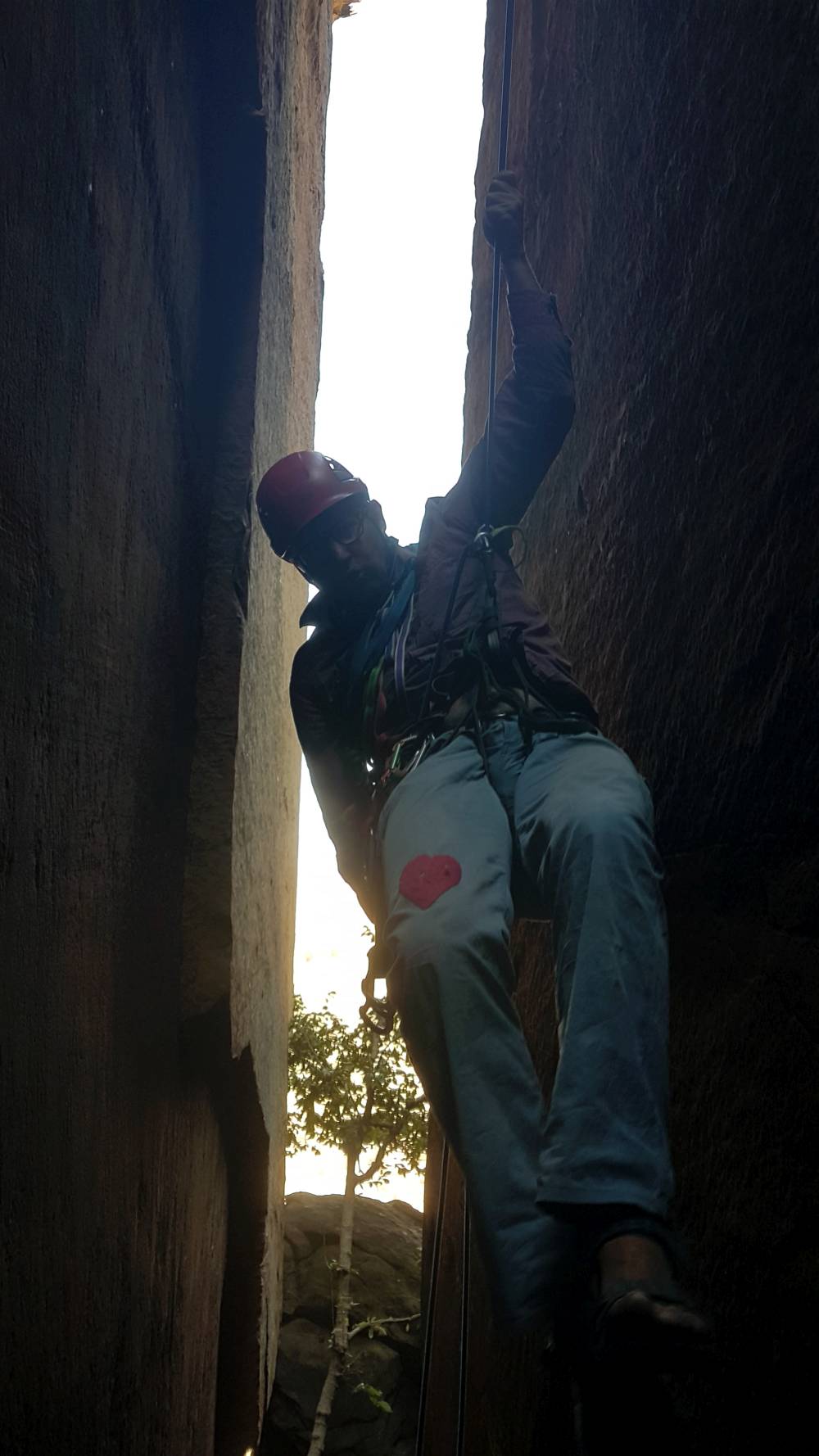
Abseiling down a chimney
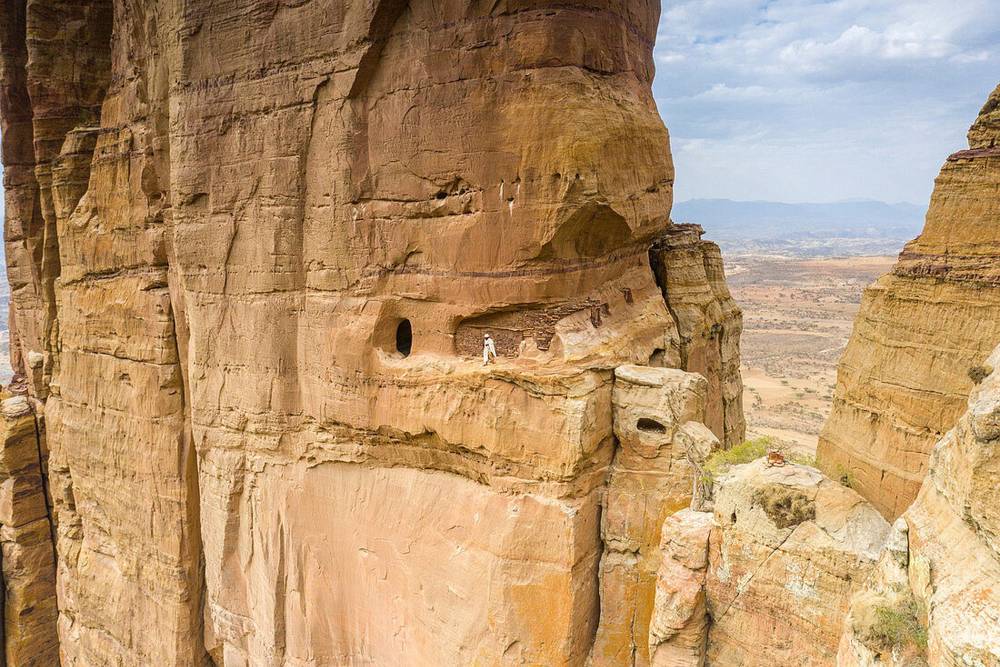
A 15th-century church
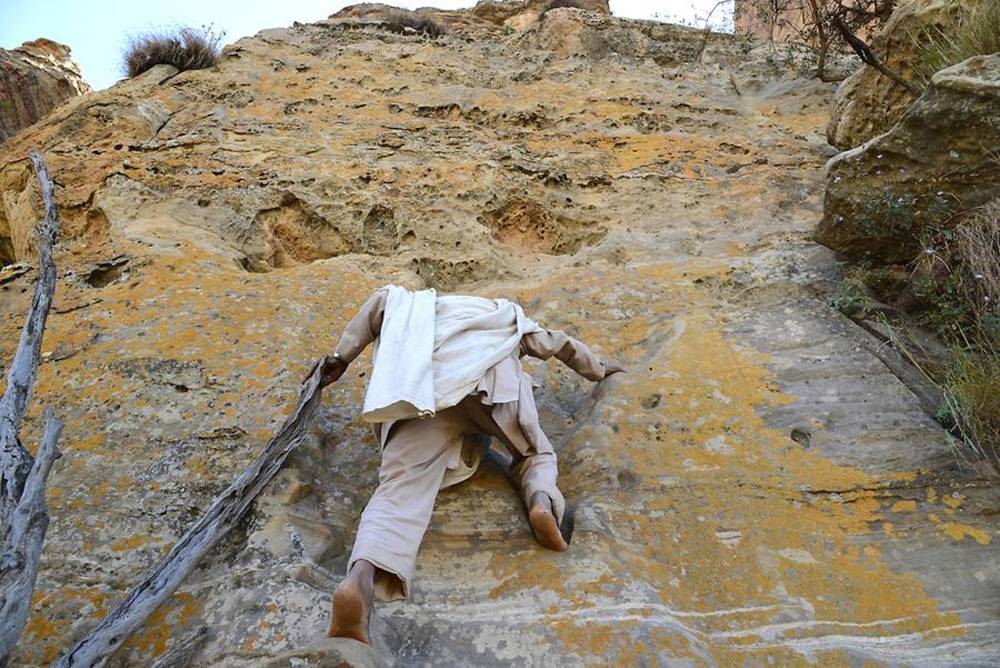
A 76-year-old priest and mountaineer
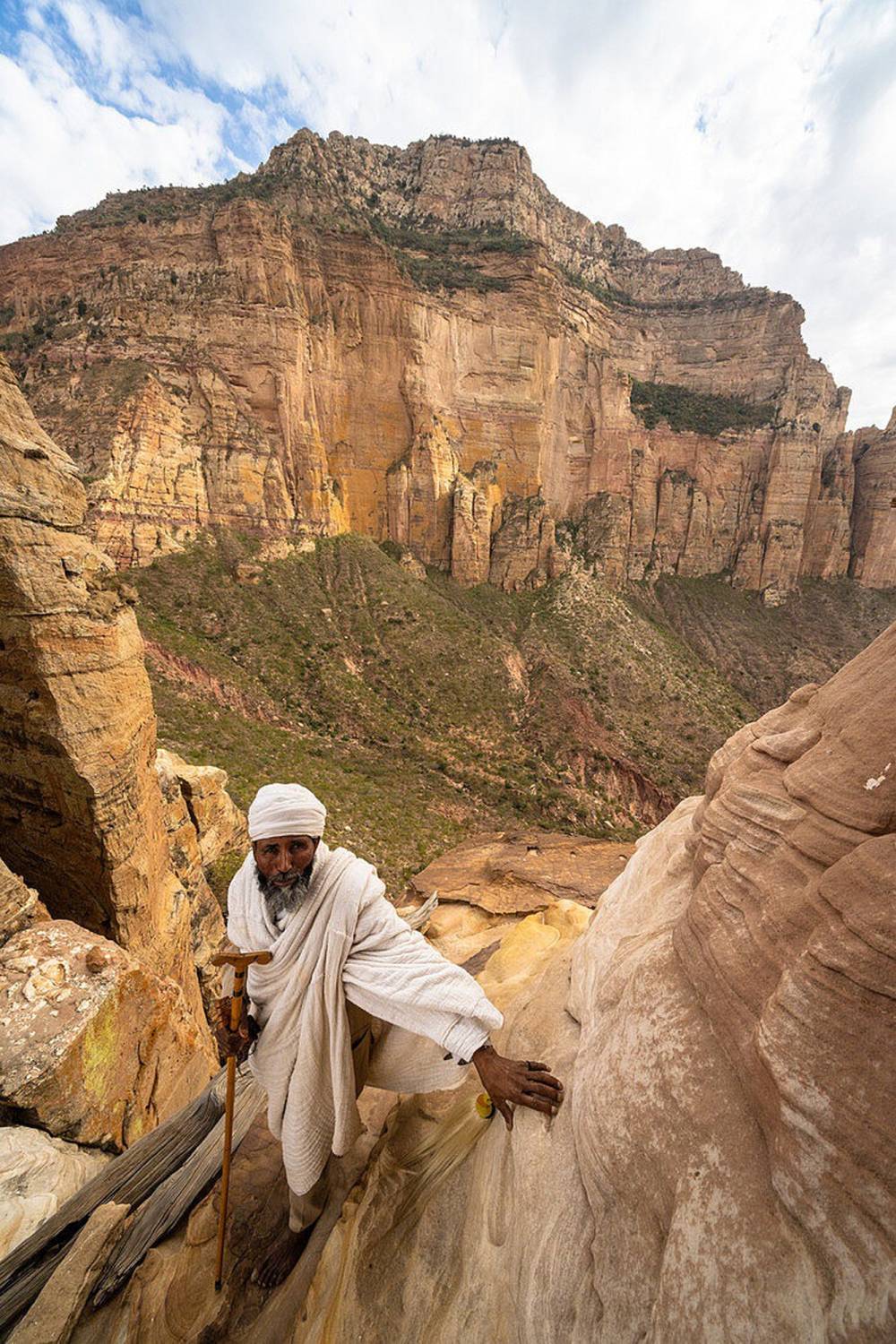
A 76-year-old priest and mountaineer
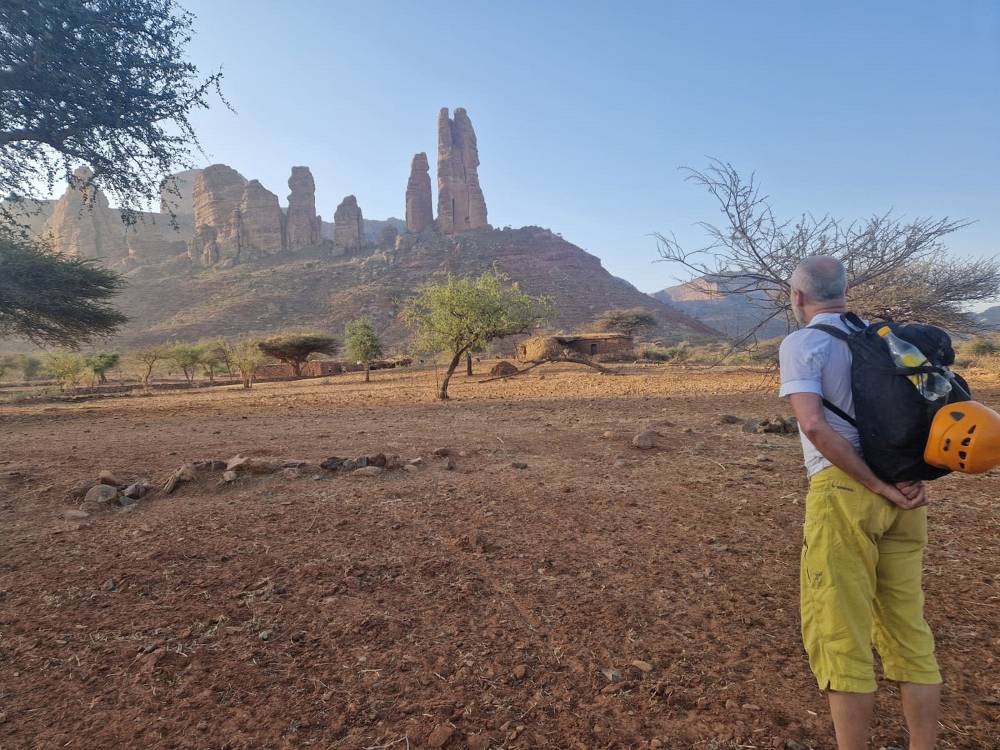
Area Gheralta
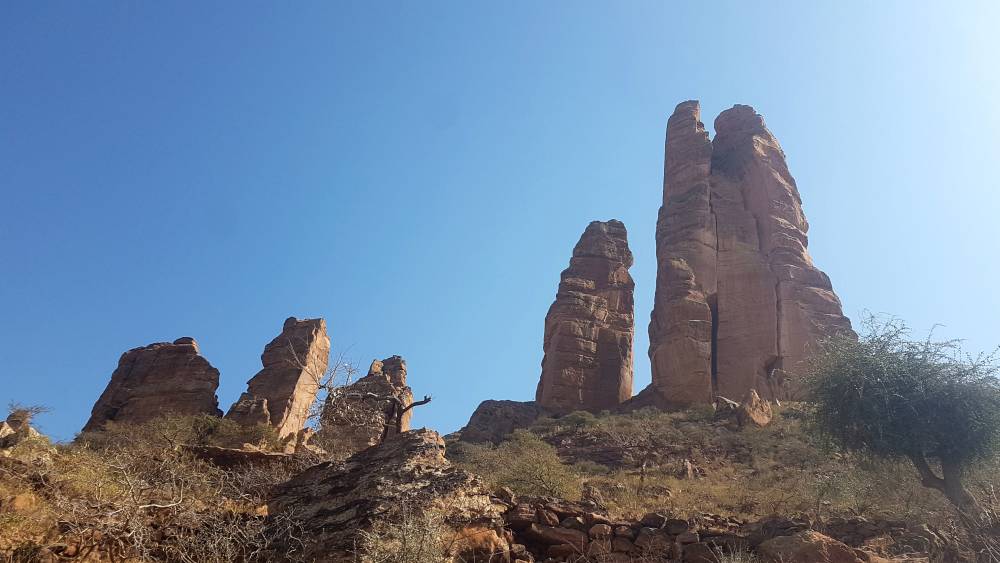
Sheba Tower on the right
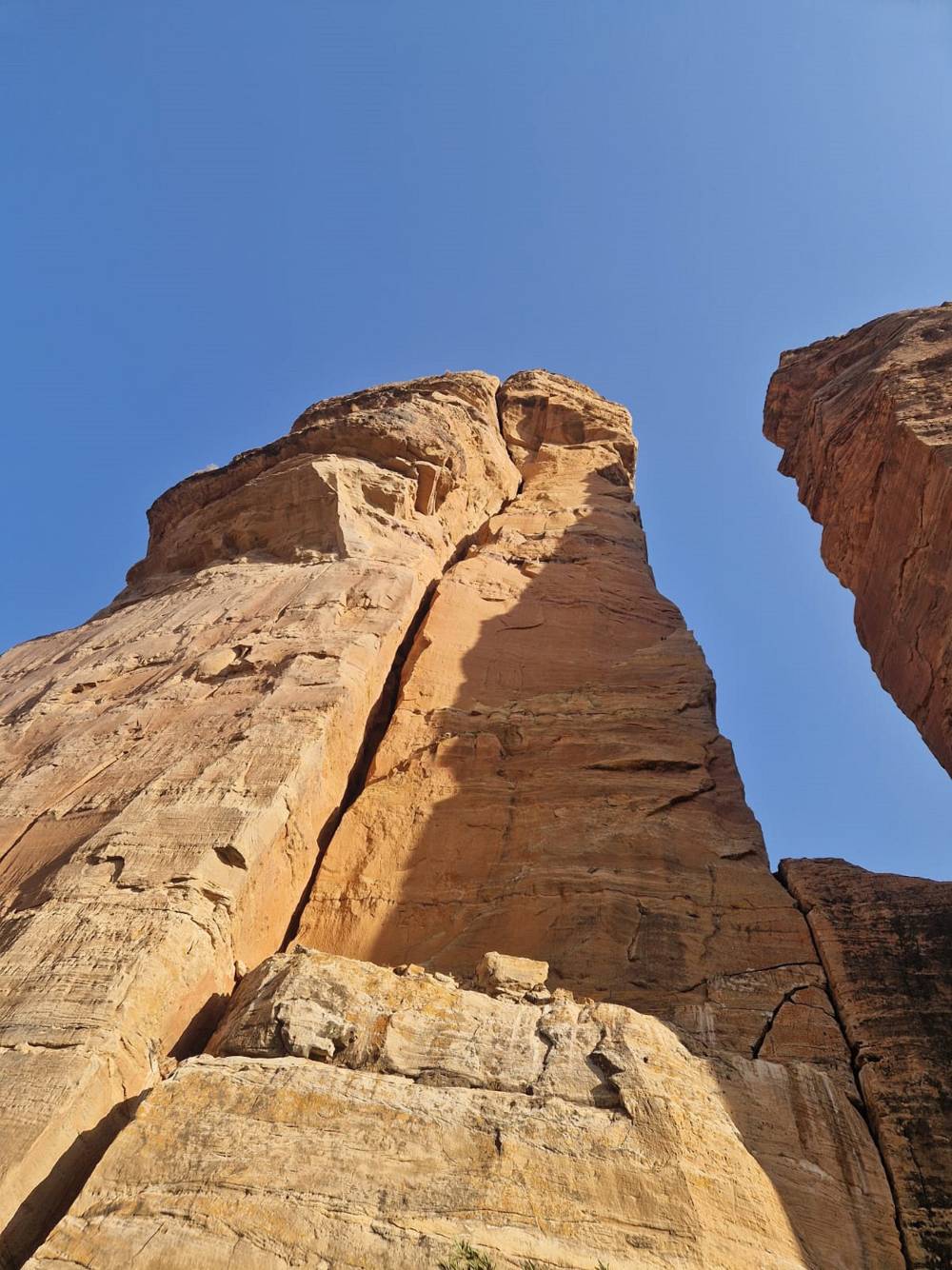
Sheba Tower 152 m E4 5C
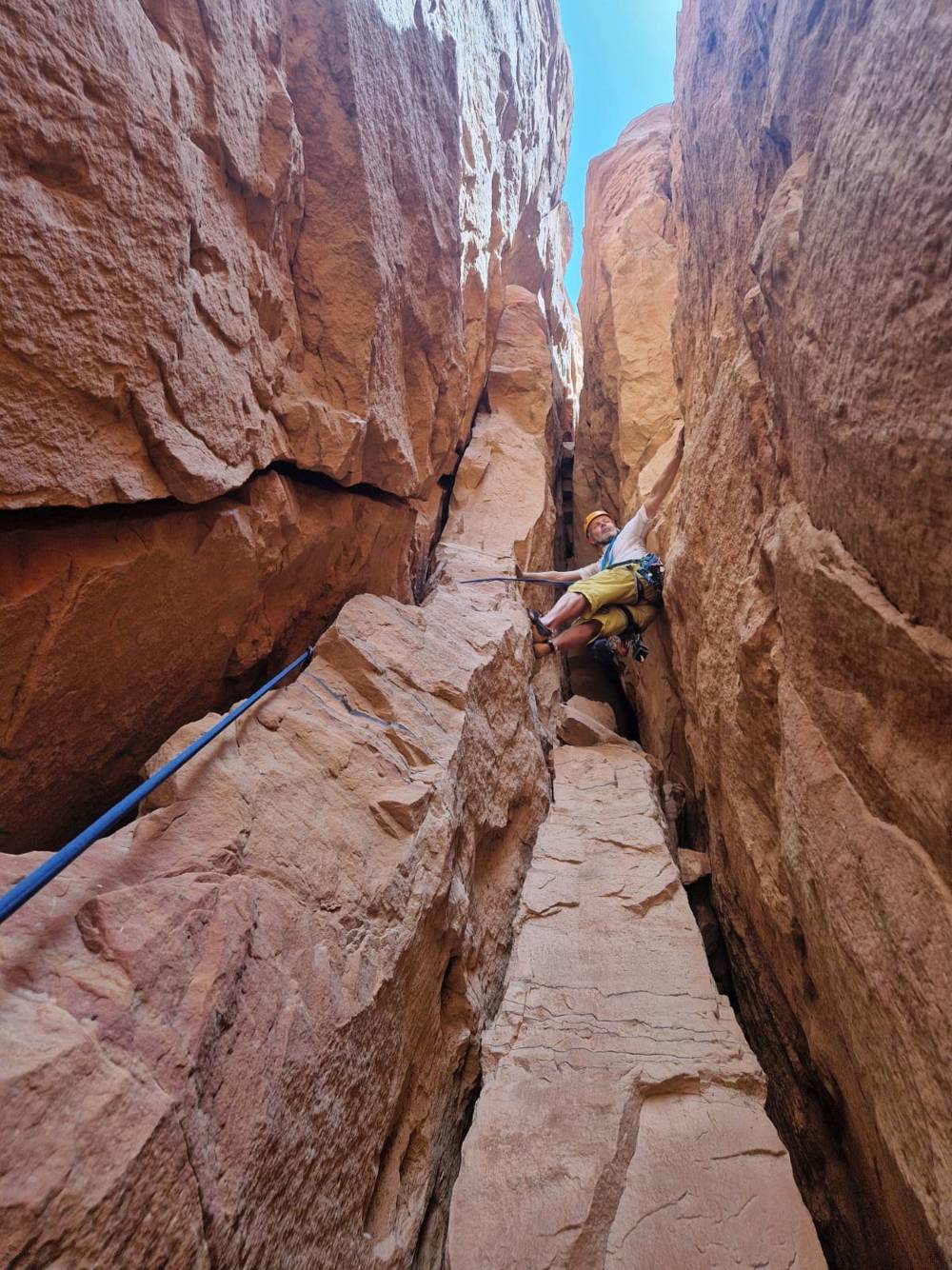
3rd pitch
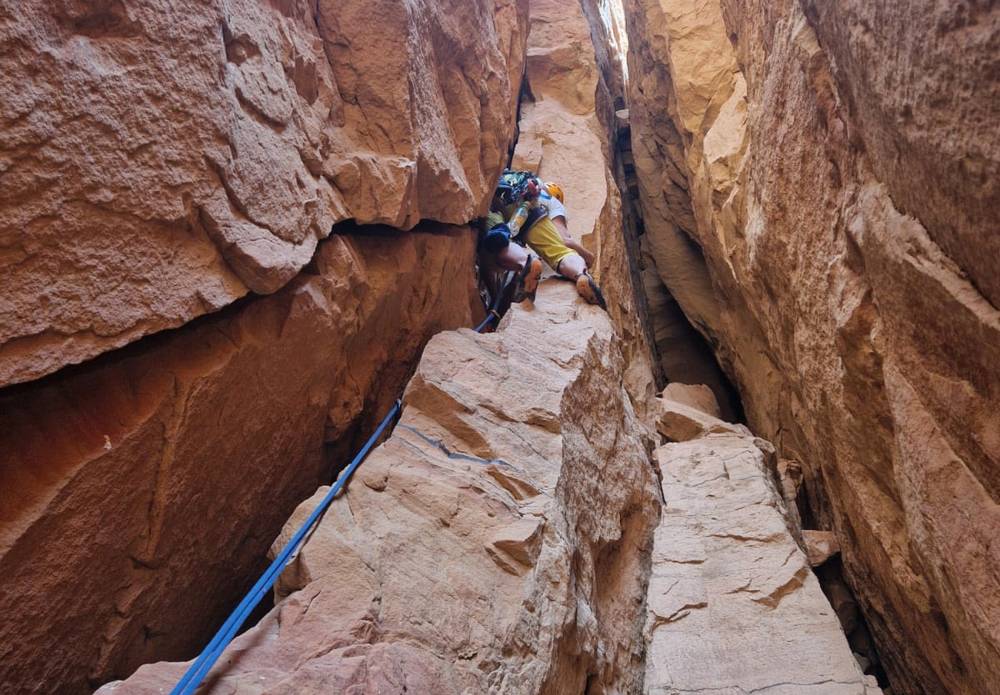
3rd pitch
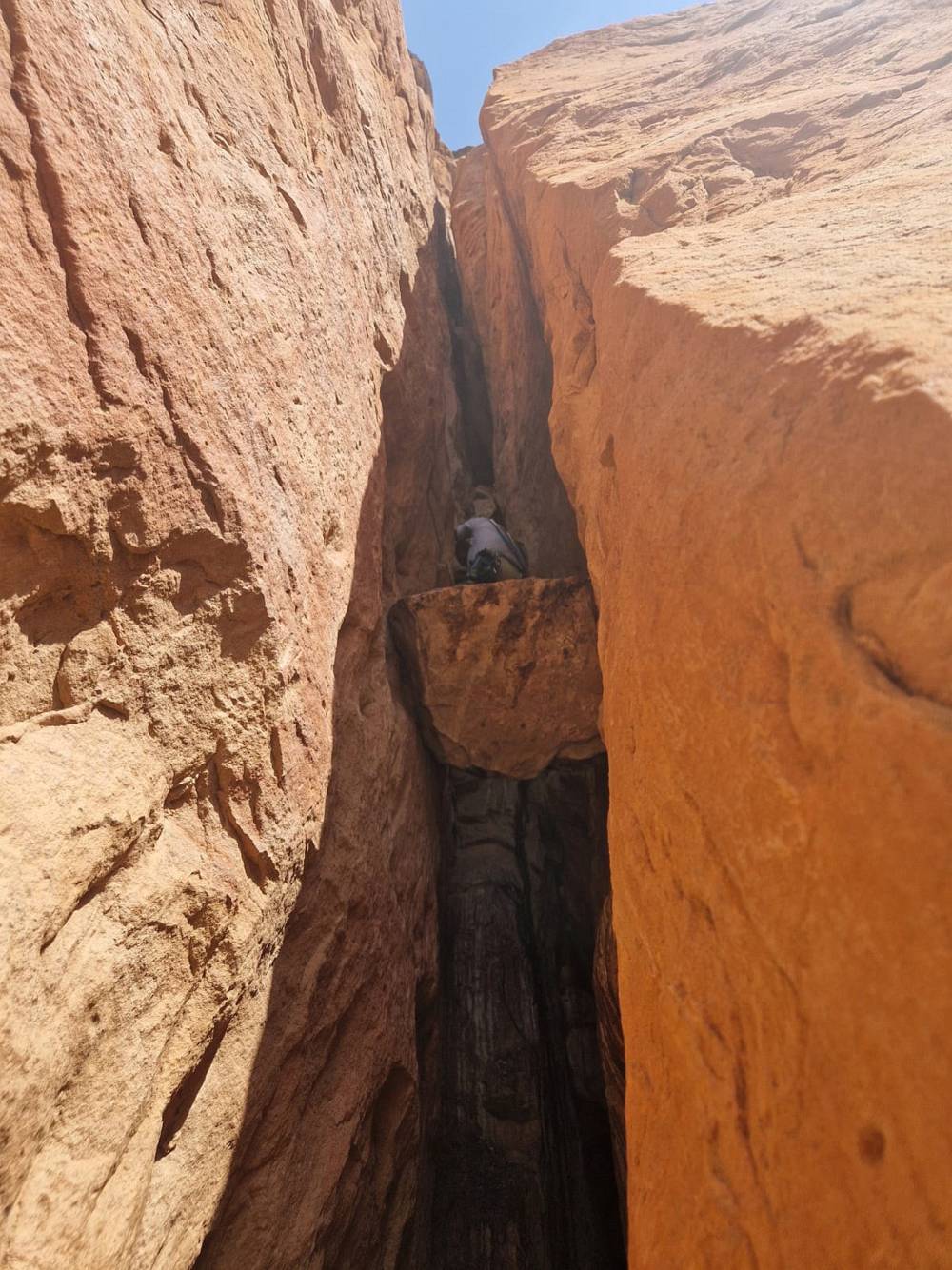
4th pitch
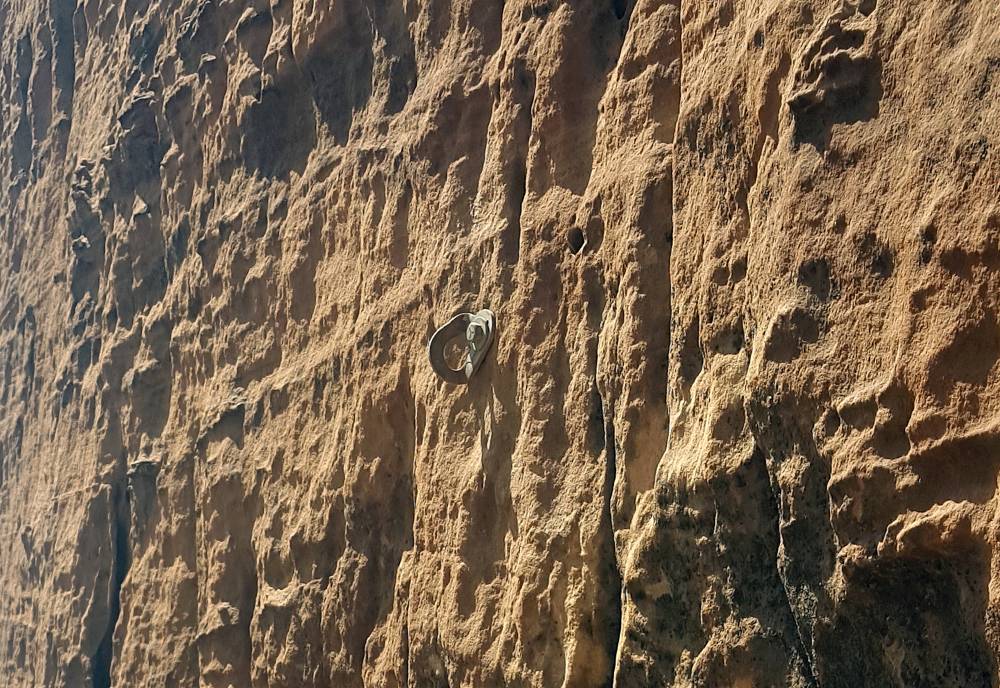
The only equipped route Excalibur 108m E7 6b
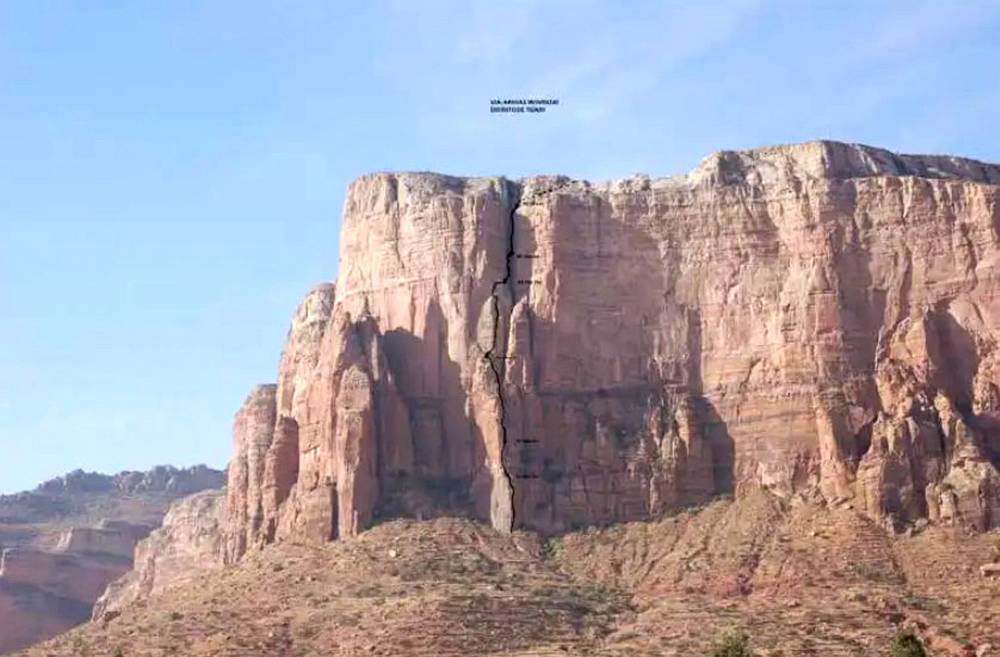
Arenas Movedizas 7b+/c 350m
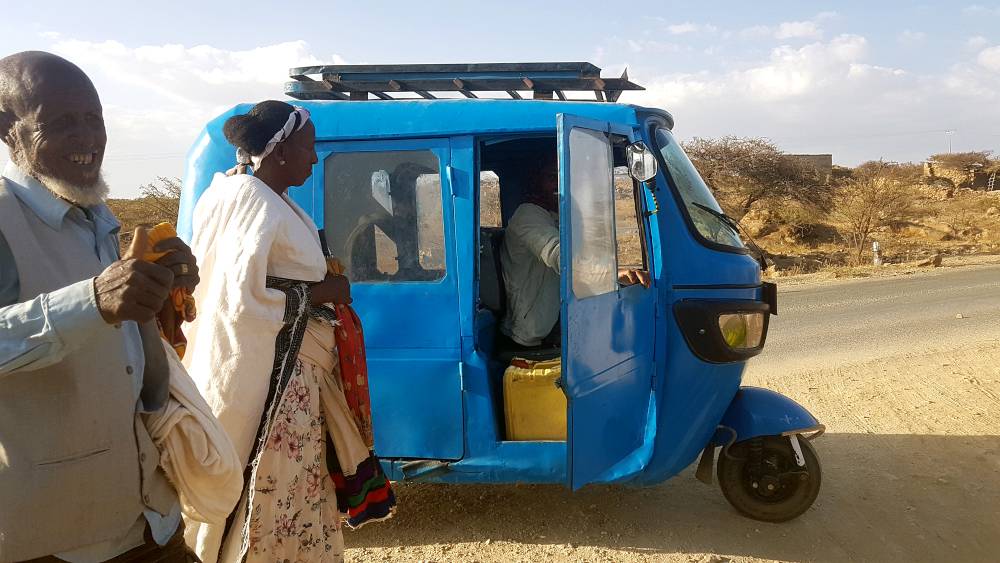
Our driver is picking up some hitchhikers. The whole family is coming along, so there are seven of us in total.
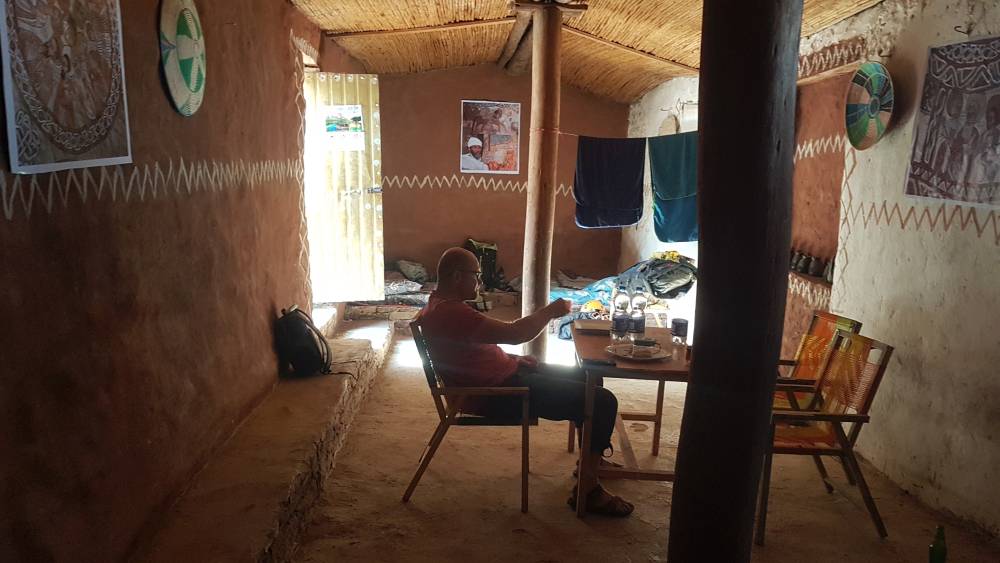
Accommodation at Kidaj
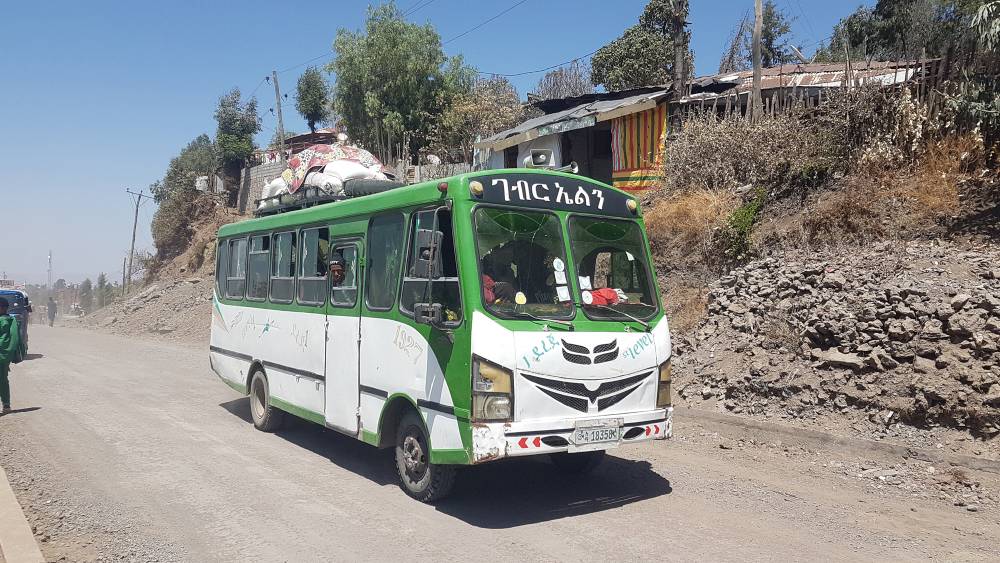
Local bus—there are eight of us sitting in the back on the number 5...
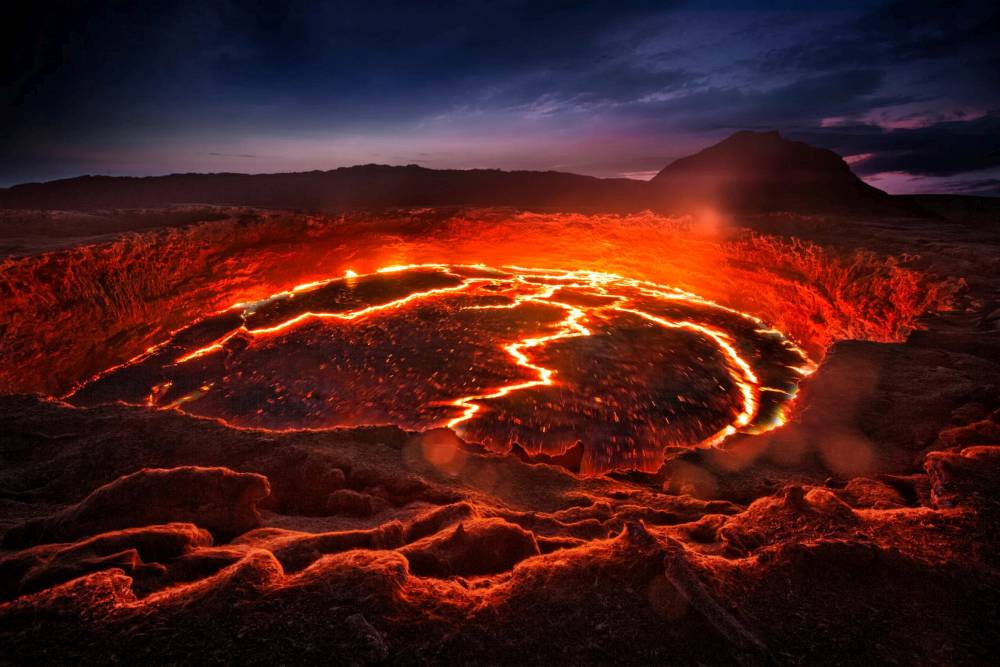
Volcano Erta Ale
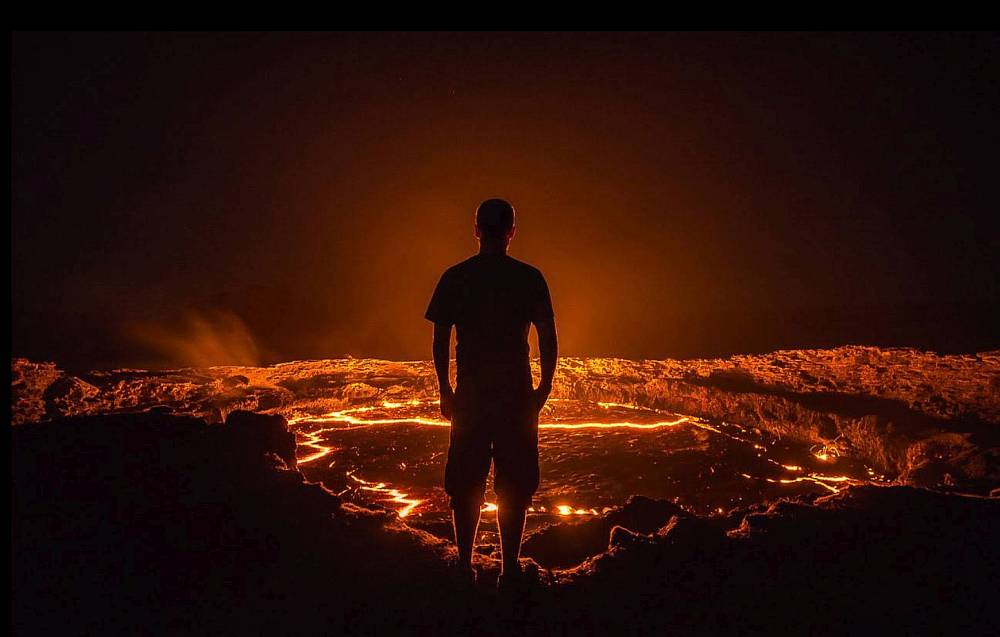
Volcano
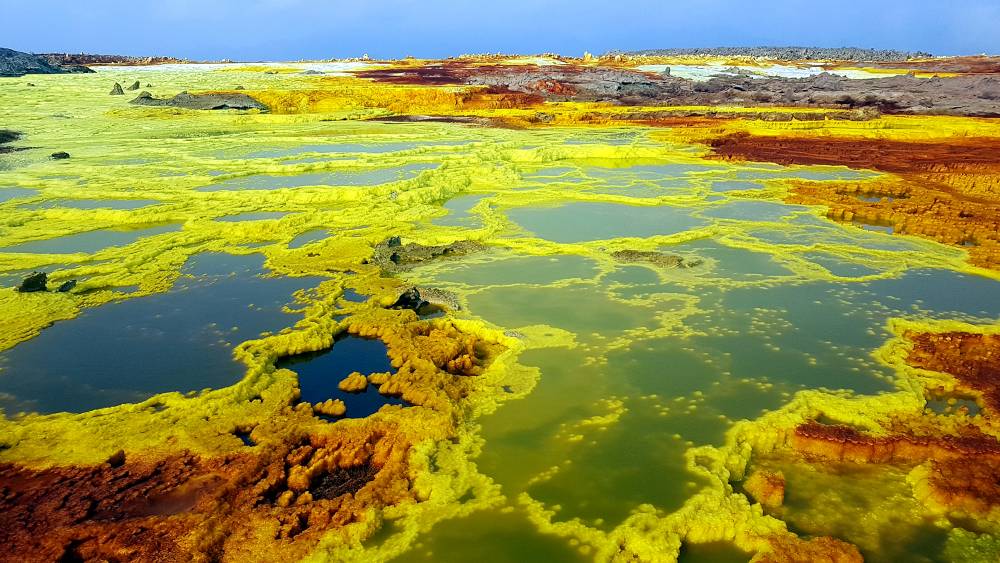
Dallol Area – Sulfur Springs
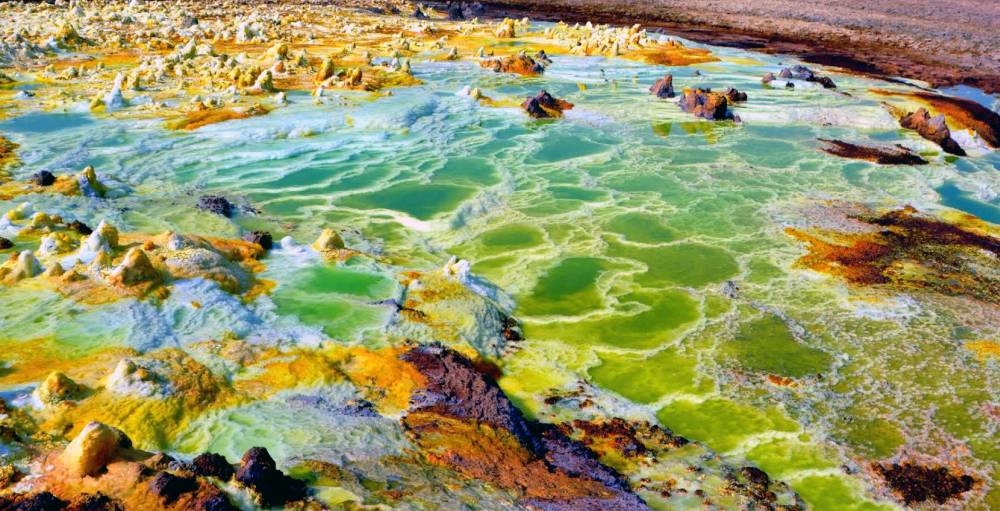
Dallol Area – Sulfur Springs
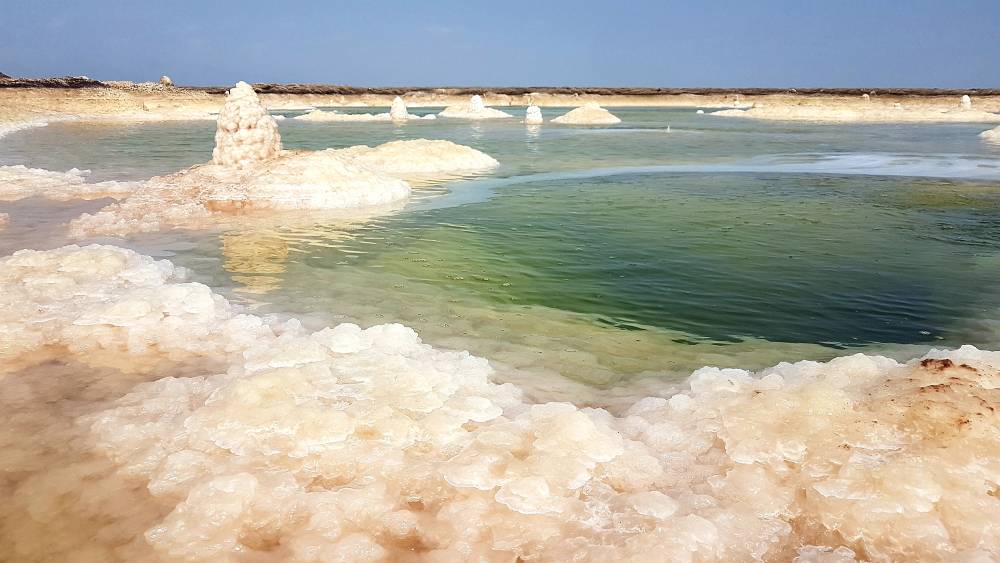
Acidic hot springs
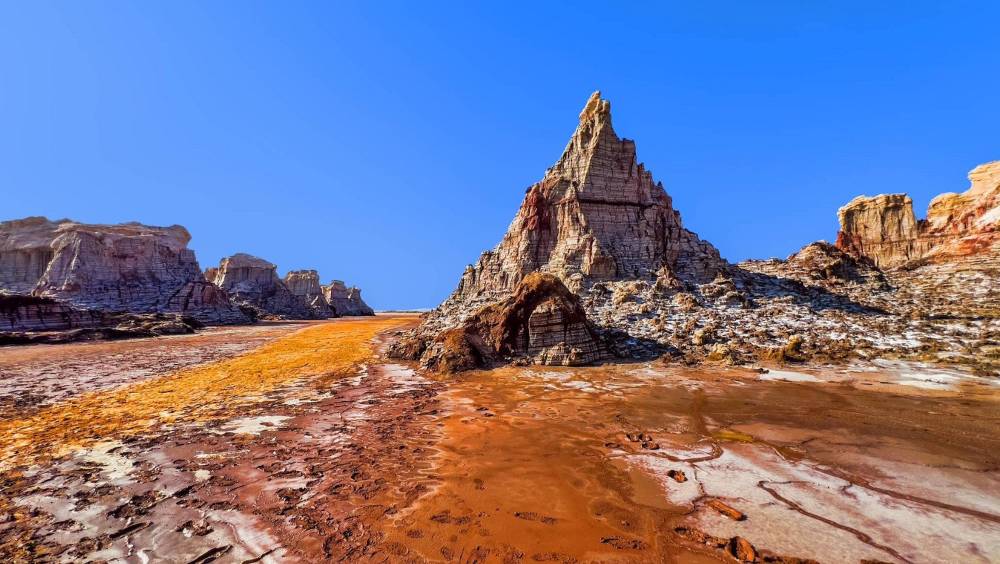
Salt Mountains
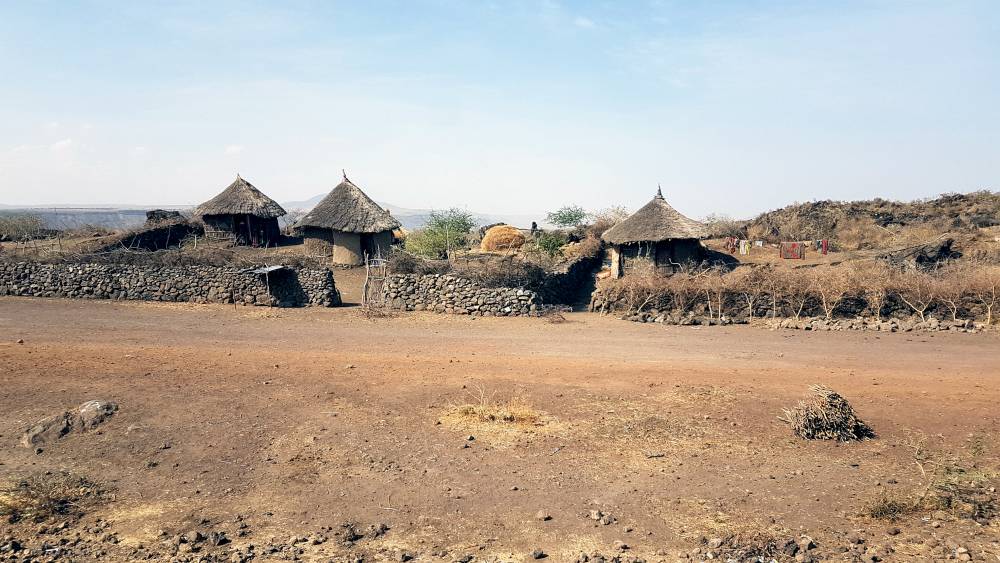
Village
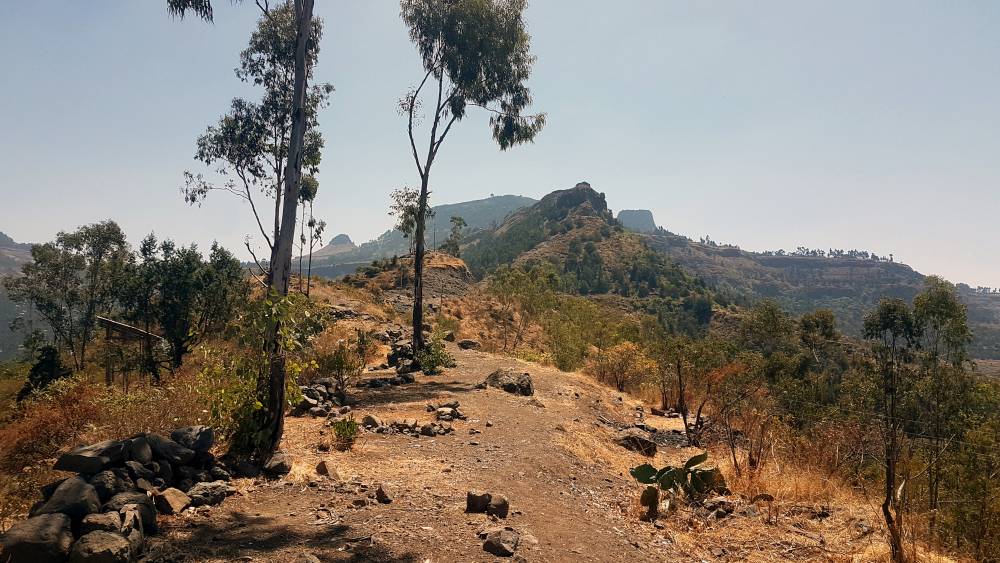
There are more churches above the town of Lalibela, in the mountains at an altitude of 3,000 meters.
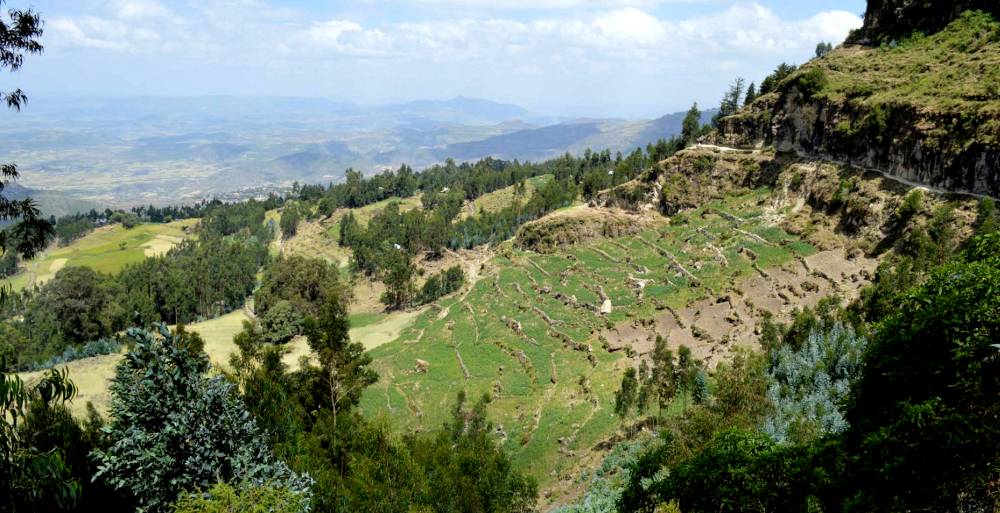
There are more churches above the town of Lalibela, in the mountains at an altitude of 3,000 meters.
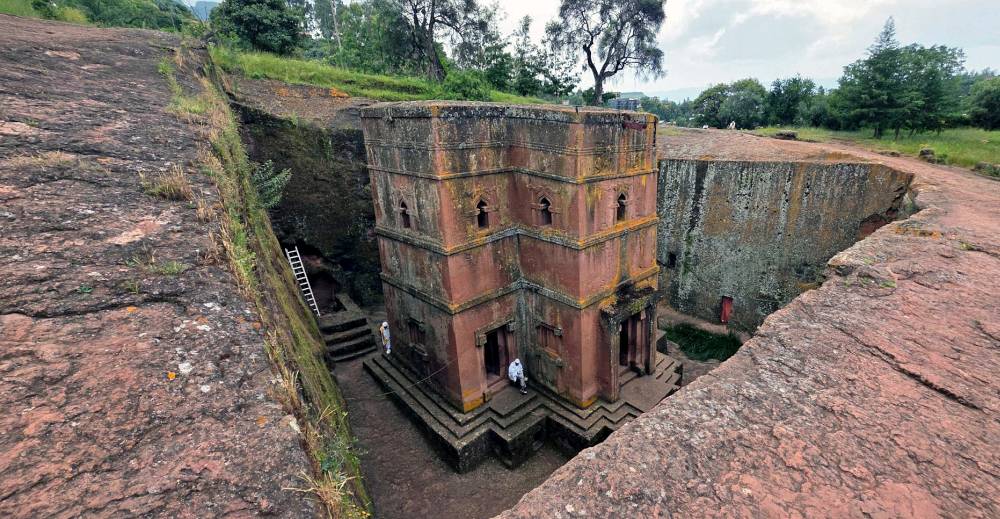
Lalibela
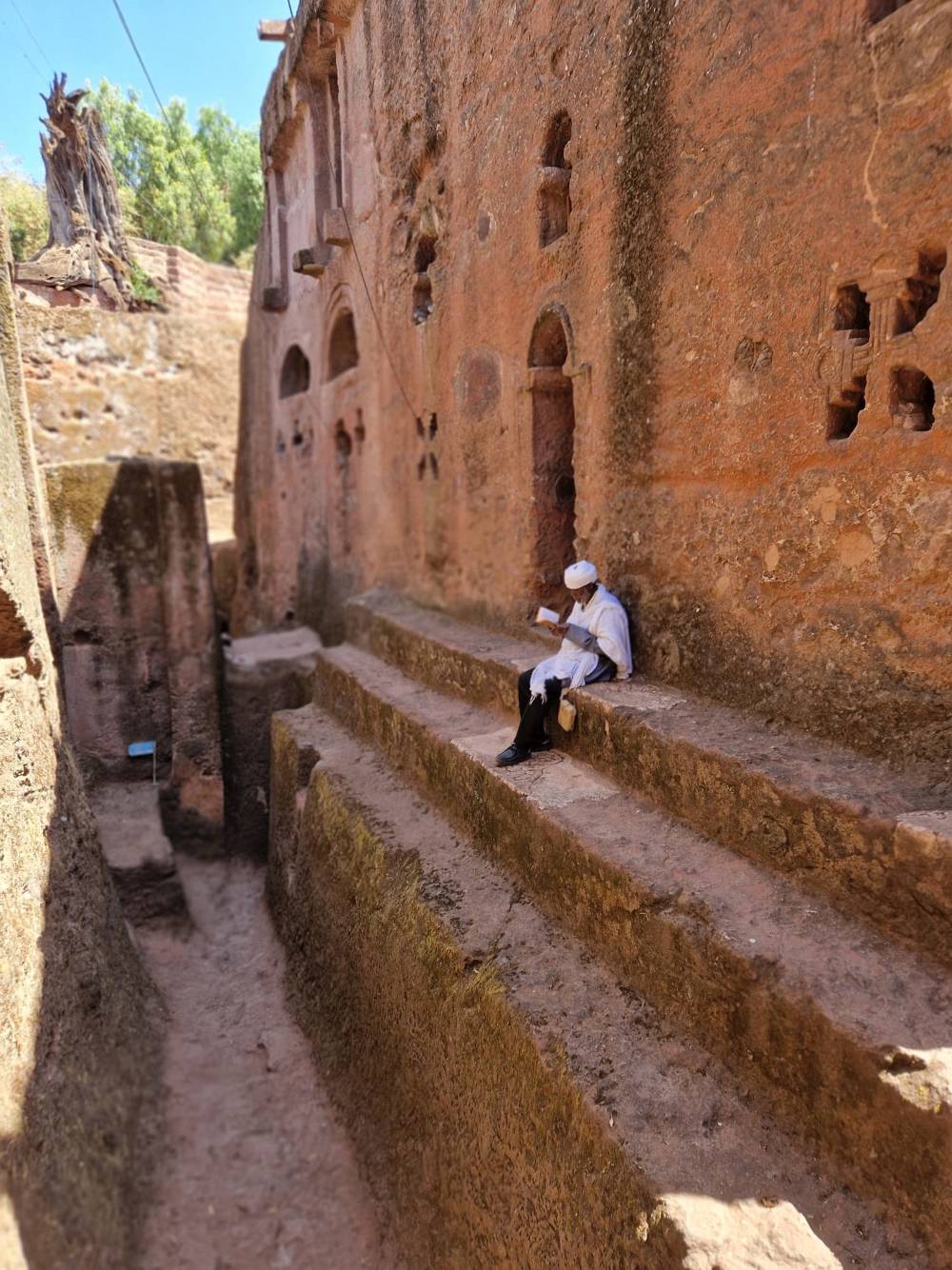
Lalibela
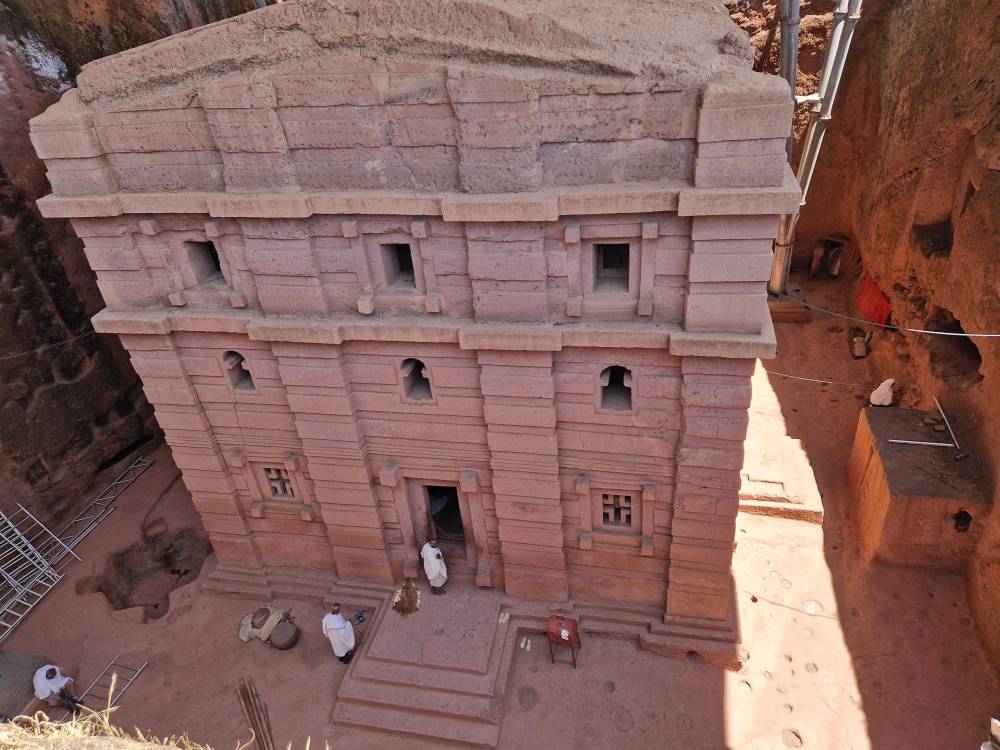
Lalibela
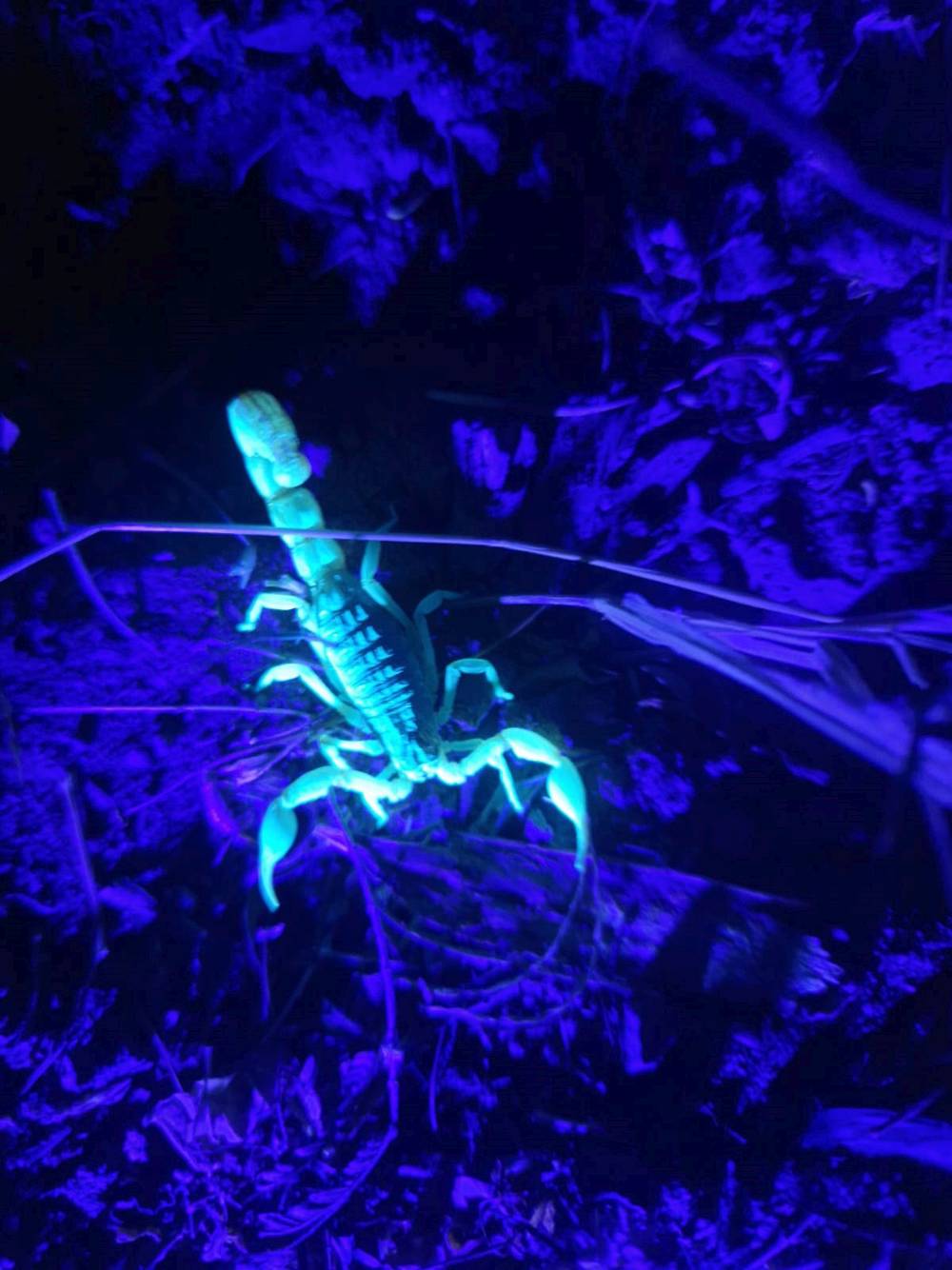
The Night Visitor
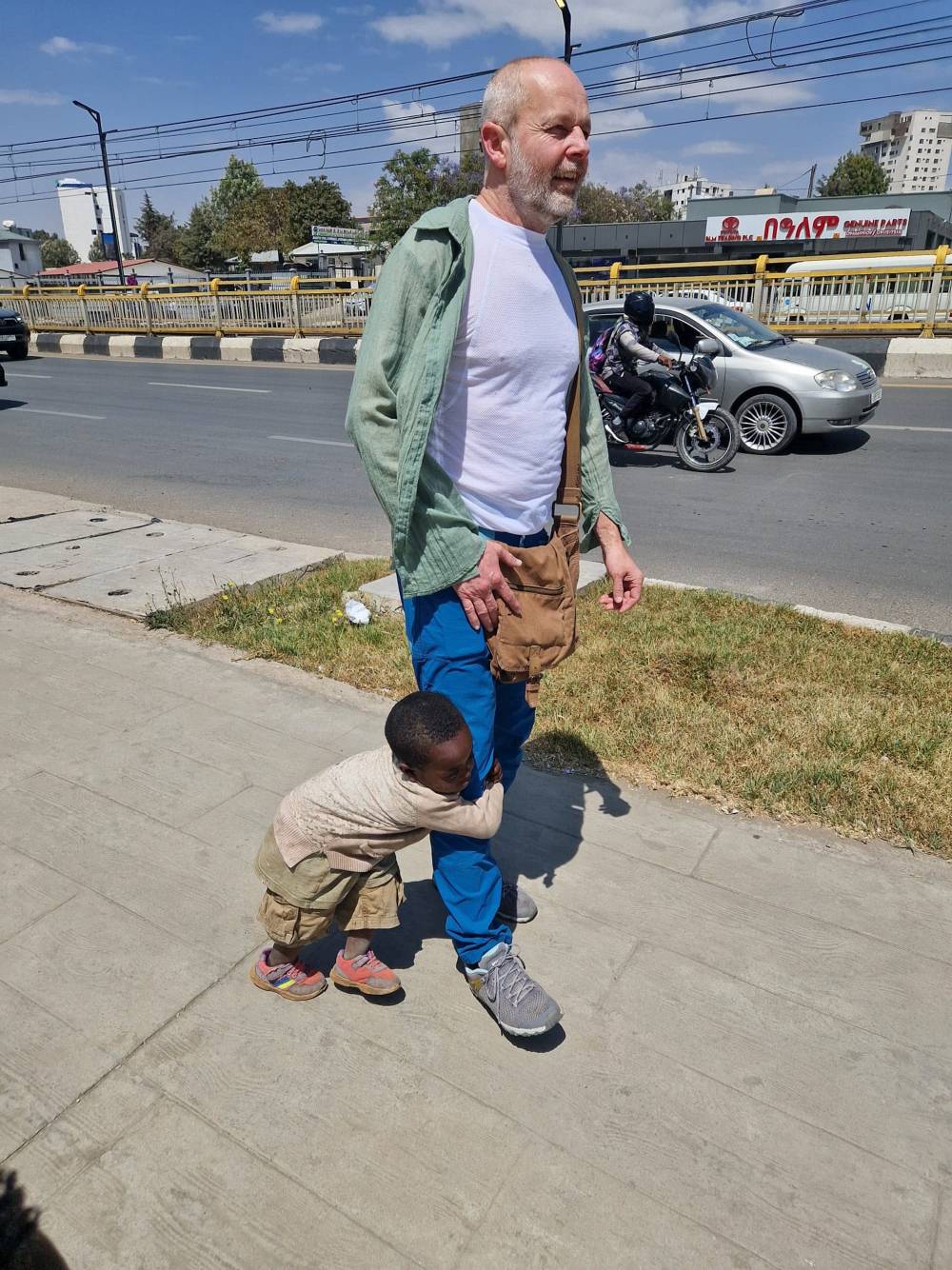
Kids can be clingy
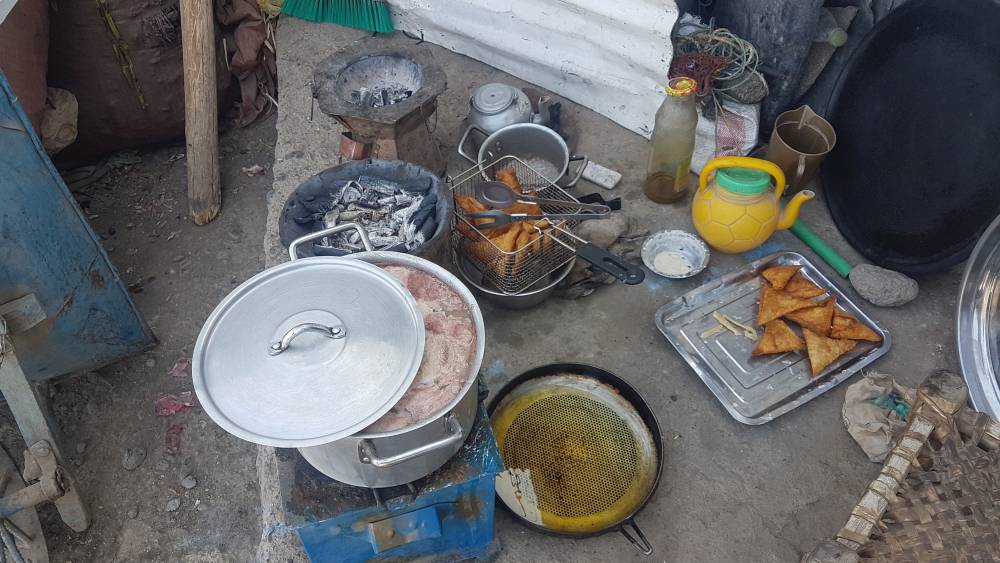
Street food stalls
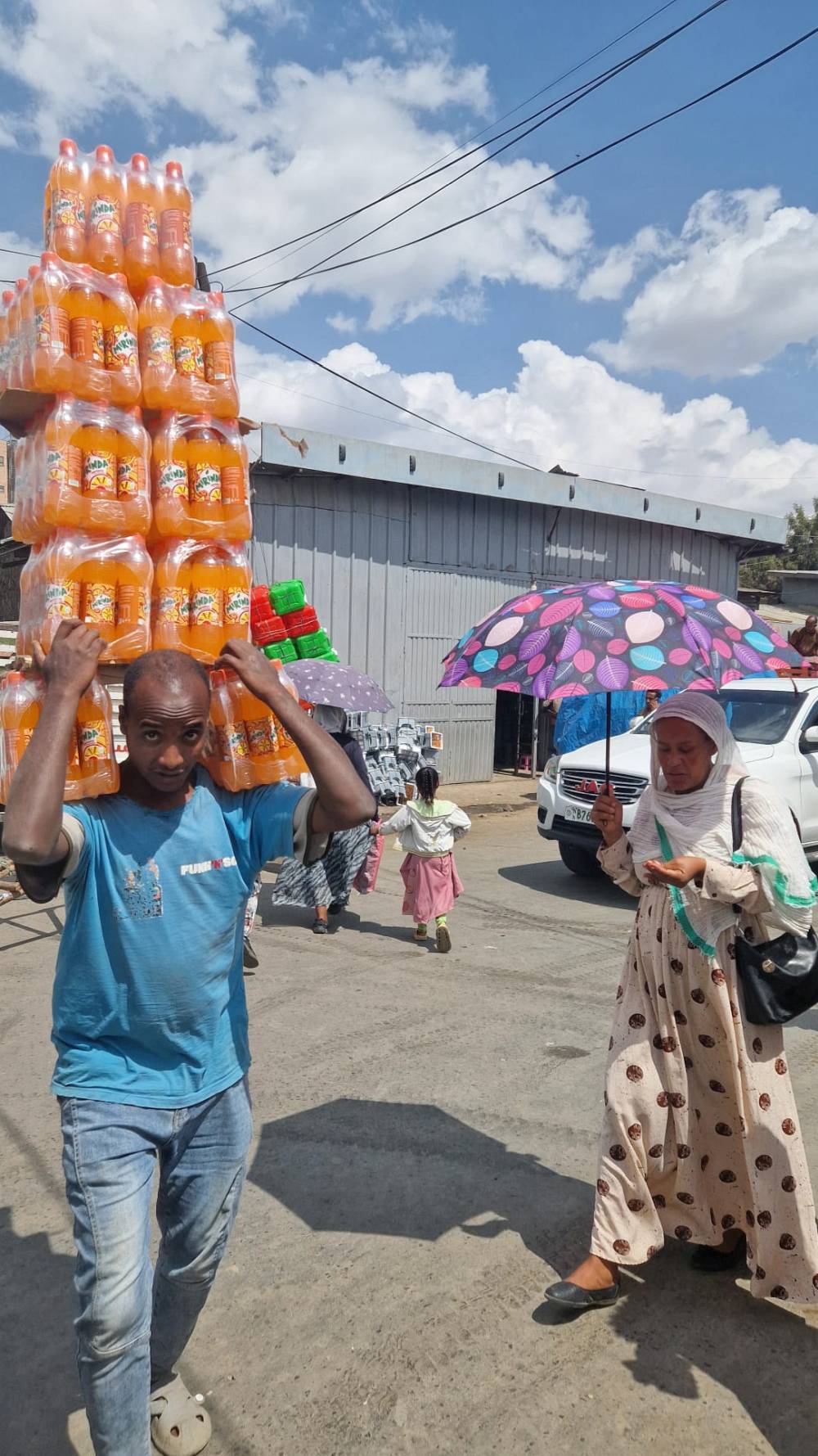
Without words
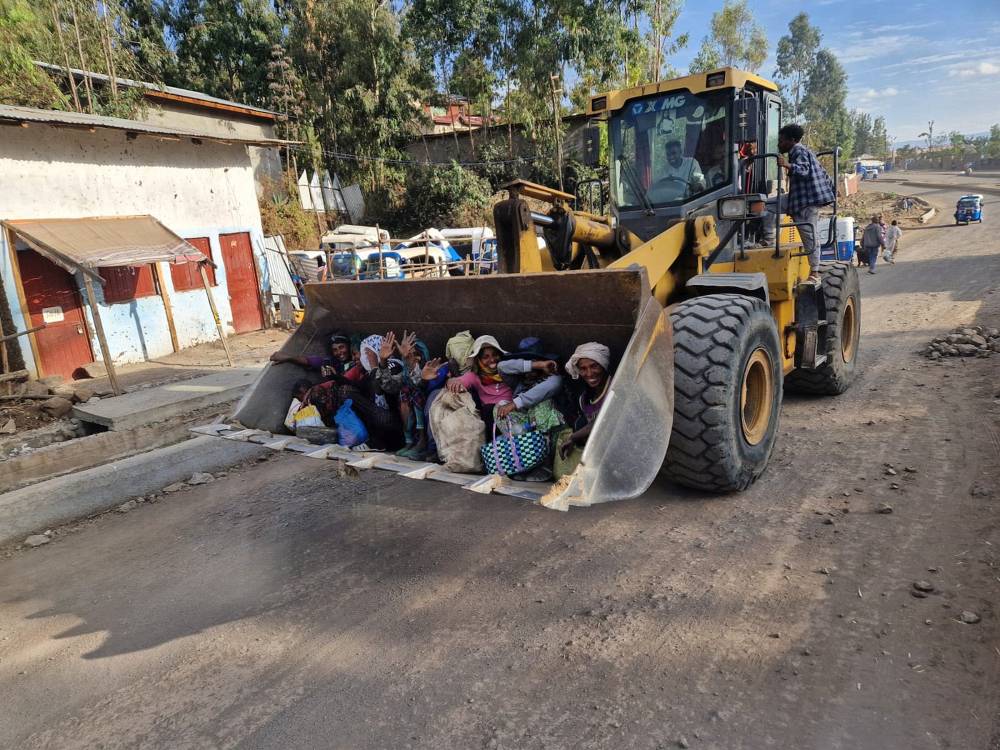
Public transportation from the bus station to downtown....
Although a ceasefire is in effect in Ethiopia’s Tigray region, violence is being committed by both sides of the conflict in Tigray - both government forces and their allied Eritrean soldiers, as well as TPLF rebels. The war in Tigray took place from 2020 to 2022, during which an estimated 800,000 people died.
Okay, what’s next? How do we get there? The plan is simple. I found Salem Bus online - it offers fast transportation all over the country. In a side street in the capital, there’s a tiny office made of corrugated metal sheets with no door; we can barely squeeze inside. Two tickets to Mekele, please. We get a ticket for 3,000 birr = 400 CZK. The ride takes 8–9 hours. The ticket shows both Ethiopian time and European time. The day in Ethiopia starts at 6 a.m. our time - that’s when the sun rises. We’re leaving at 9:30 p.m. local time - 3:30 a.m. European time. It’s listed on the ticket. It’s 2018 in Ethiopia. An hour’s delay. The bus is half-empty, the AC is blasting, socks on my feet, the down jacket keeps me warm. It’s 30°C outside. Why are we heading 100 km east, as the location on mapy.cz shows, when the city of Mekele is to the west?
Maybe a different bus? Not at all. It’s just that the bus is avoiding the faster and shorter route because it goes through Tigray.
The journey ends up being 1,050 km. We’re on the road for 16 hours. There are many military checkpoints along the way; they don’t pay any attention to us.
We arrive in Mekele at 8 p.m.; it’s dark. We’re told not to go out after dark. At the hotel, I contact Kidaj, the owner of Guest House & Camping, via WhatsApp. Our accommodation is right beneath the rock towers. The place is known as Abune Yemata - a 15th-century Orthodox church carved into the rock face. Access is via a vertical rock face, where they throw a rope down to tourists. The next day, Kidaj is waiting for us in front of the hotel. He was heading into town and will arrange a ride by car (which we’ll pay for, of course) rather than have us struggle on a local bus with transfers. Mekele – Hawzen – Megab. Then a tuk-tuk for 6 km. We walk the last 2 km; the road is full of potholes. The tuk-tuk has long since seen better days, and walking is faster. The lodging is modest; we leave the tent in our backpacks, and they offer a room with mattresses on the floor. Watch out for snakes, scorpions, and spiders at night. There are no mosquitoes here; we’re at an altitude of 2,500 m. We go to check out the rock towers.
Left Tower – Guhe Tower – Magic Smelly Poodle 5.11 6c+ VIII- 150 m 2012
Kidaj has only seen the wall climbed once.
In the evening, Kidaj tells us about the war with Eritrea. He and his family spent a whole year hiding in the rocks, going down in the dark every day to fetch water. During the war, the Eritreans murdered entire families so that no one could seek revenge.
The other towers are still waiting to be discovered and climbed. We choose a tower on the right side.
The approach from the camp takes 40 minutes to the base of the wall. The first crack is 20 m. The sandstone breaks quite easily at the bottom of the wall. Here and there are droppings from hyraxes watching us. There are dozens of them. Second pitch: traverse over the edge into a crack on a falcon, where the hyraxes’ urine stinks. That’s part of climbing, too. A prominent ledge follows. Third pitch: step over a chimney, traverse 10 m along the ledge to the next edge. The fourth pitch goes straight across the overhang on solid rock. Then, using small holds, a transition to a ledge leading to the summit. We place the summit logbook on the smooth, rounded summit. Which way down? The only option is to rappel down to a small tree. A full 60-meter rappel, followed by a 50-meter descent back to the start below the wall.
Gear: 2 x 60m ropes, Friends sizes 2–5, slings, U-ring, rappelling slings.
We named the tower – Daman Tower:
Standard route 5c/6a
Diretissima 6c
Chimney route 6b
Valley route 6b
The next day, we head from the camp to the road, where Kidaj has arranged a tuk-tuk for us. The next area is 10 km away. The approach from the road takes an hour, with a 100-meter elevation gain.
Six distinctive towers. I found routes for two of the towers online.
Sheba Tower 152 m E4 5C, Gheralta range (2005) – a single old sling on the second pitch.
Excalibur 108 m E7 6b Gheralta range first ascent 2021 Team North Face (bolted)
Another area is a massive mountain range located to the left of the campsite. The approach takes an hour from the campsite. Kimir, Gheralta Massif Arenas Movedizas 7b+/c 350 m (2012)
Within a 20-km radius, there are other large walls and towers waiting to be climbed. Farewell to Kidaj, return to the city of Mekele. We eat with the locals on the street. Sometimes these are interesting delicacies that lead to diarrhea. But who wouldn’t want to sample the local cuisine and hospitality?
This was followed by a trip around Ethiopia. The closest destination (240 km) was the hot springs at Lake Afrera in the Danakil Depression (120 m below sea level). We drive along a new concrete road built by the Chinese. Unfortunately, the road ends after 30 km. When the war with Eritrea began (we’re 30 km from the border), China stopped funding the construction. We pass bridges under construction over volcanic rock (solidified magma). Driving at 30 km/h. We drive through a landscape of volcanoes and sandy plains, where we see small tornadoes; it never rains here. We stop at Erta Ale, the most active volcano, with its lava lakes. The sulfur rising from the crater stings our noses and eyes; we’ll have a good cry.
The next day, we continue along the vast salt lake, where the salt crust is up to 1 meter thick. The Dallol area is a unique geothermal site in the world. The presence of sulfur and minerals has created exceptional geological formations: acidic hot springs, sulfur mountains, salt pillars and towers up to 50 meters high, waiting to be climbed 😊 and small geysers. We drive across the arid Hadar Plain in the Lower Awash Valley, where the remains of Lucy were discovered—a partially preserved skeleton of a female hominid of the species Australopithecus afarensis found in 1974. Return to Addis. We wanted to visit the Bale Mountains, which feature bouldering areas and trekking opportunities, but it rains for several hours every day. We decide to fly to the town of Lalibela in the mountains at an altitude of 2,500 m. The town is famous for its unique churches, labyrinths of tunnels, corridors, and other buildings carved into the rock, with 11 churches listed as a UNESCO World Heritage Site since 1978. That’s why admission costs $100. We spend the last three days hiking in the surrounding mountains.
Return to Addis and flight home. End of the Ethiopian trip.
In Ethiopia, we’re never alone. Local children are always clinging to us - “Give me money.” Adults act as self-appointed guides in the mountains and in the cities so we don’t get lost… and of course, they want to be paid for their services. But that means you’ll run out of money in the very first village…
Jirka Horský UltraAnt Prague
Lukáš Adámek HO Liberec
| Jirka Horský [edit] | 08:15 10.05.2026 |
Commentaries | ... | new comments | New comment  |